In the realm of PVC production, the accuracy and efficiency of measuring the weight of raw materials are crucial for ensuring product quality and production efficiency. As a leading supplier of PVC Automatic Compounding and Feeding Systems, I am often asked about how our systems achieve precise weight measurement of raw materials. In this blog post, I will delve into the details of the measurement process, the technologies involved, and the benefits of using our systems. PVC Automatic Compounding and Feeding System
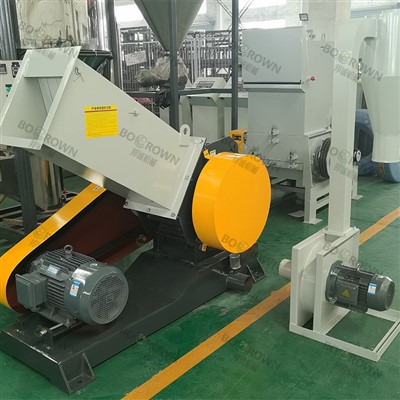
The Basics of Raw Material Weight Measurement in PVC Production
Before we explore the specific mechanisms of our PVC Automatic Compounding and Feeding System, it’s important to understand the significance of accurate weight measurement in PVC production. PVC, or polyvinyl chloride, is a widely used plastic material with a diverse range of applications, from construction materials to consumer products. The quality and performance of PVC products are highly dependent on the precise formulation of raw materials, including PVC resin, plasticizers, stabilizers, and fillers.
Inaccurate weight measurement of these raw materials can lead to several issues, such as inconsistent product quality, reduced mechanical properties, and increased production costs. For example, if the amount of plasticizer is not accurately measured, the PVC product may become too brittle or too soft, affecting its durability and usability. Therefore, precise weight measurement is essential for maintaining the quality and consistency of PVC products.
How Our PVC Automatic Compounding and Feeding System Measures Raw Material Weight
Our PVC Automatic Compounding and Feeding System utilizes advanced weighing technologies to ensure accurate and reliable measurement of raw material weights. The system consists of several key components, including hoppers, feeders, weighing sensors, and a control system. Here’s a step-by-step breakdown of how the system measures the weight of raw materials:
1. Hopper Storage
The raw materials are stored in hoppers, which are designed to hold a specific quantity of each material. The hoppers are equipped with level sensors to monitor the material levels and ensure a continuous supply of materials during the production process.
2. Feeding Mechanism
The feeders are responsible for transporting the raw materials from the hoppers to the weighing system. Our system uses various types of feeders, such as screw feeders, belt feeders, and vibratory feeders, depending on the characteristics of the raw materials. The feeders are controlled by the system to ensure a consistent and accurate flow of materials.
3. Weighing Sensors
The weighing sensors are the heart of the weight measurement system. Our system uses high-precision load cells or strain gauges to measure the weight of the raw materials. These sensors are designed to be highly sensitive and accurate, capable of detecting even small changes in weight. The sensors are connected to the control system, which continuously monitors and records the weight data.
4. Control System
The control system is the brain of the PVC Automatic Compounding and Feeding System. It receives the weight data from the weighing sensors and uses advanced algorithms to control the feeding mechanism. The control system can adjust the feeding rate of each raw material in real-time to ensure that the desired weight ratios are maintained. It also provides feedback to the operator, allowing for manual intervention if necessary.
5. Batch or Continuous Weighing
Our system can be configured for either batch or continuous weighing operations. In batch weighing, the system measures the weight of each raw material in a predefined batch size. Once the batch is complete, the materials are discharged into the mixing unit. In continuous weighing, the system continuously measures and dispenses the raw materials at a constant rate, ensuring a continuous flow of materials into the mixing unit.
Advanced Technologies for Precise Weight Measurement
In addition to the basic components mentioned above, our PVC Automatic Compounding and Feeding System incorporates several advanced technologies to further enhance the accuracy and reliability of weight measurement.
1. Automatic Zeroing and Calibration
The system is equipped with automatic zeroing and calibration functions to ensure that the weighing sensors are always accurate. The zeroing function compensates for any offset or drift in the sensor readings, while the calibration function adjusts the sensor readings to match a known reference weight. These functions are performed automatically at regular intervals or upon request, ensuring consistent and reliable weight measurement.
2. Filtering and Signal Processing
The weight data collected by the weighing sensors is often subject to noise and interference. To improve the accuracy of the measurement, our system uses advanced filtering and signal processing algorithms to remove the noise and enhance the signal. These algorithms can also detect and correct any sudden changes or anomalies in the weight data, ensuring that the measurement is always reliable.
3. Data Logging and Traceability
Our system is capable of logging and storing all the weight data collected during the production process. This data can be used for quality control, process optimization, and regulatory compliance. The data can also be traced back to the specific batch or production run, allowing for easy identification and investigation of any quality issues.
Benefits of Using Our PVC Automatic Compounding and Feeding System
The use of our PVC Automatic Compounding and Feeding System offers several benefits for PVC manufacturers, including:
1. Improved Product Quality
By ensuring accurate and consistent weight measurement of raw materials, our system helps to improve the quality and consistency of PVC products. This results in fewer production defects, reduced customer complaints, and increased customer satisfaction.
2. Increased Production Efficiency
Our system is designed to operate continuously and efficiently, minimizing downtime and maximizing production throughput. The advanced control system allows for precise control of the feeding rate, reducing waste and optimizing the use of raw materials.
3. Cost Savings
Accurate weight measurement and efficient use of raw materials result in significant cost savings for PVC manufacturers. By reducing waste and improving product quality, our system helps to lower production costs and increase profitability.
4. Enhanced Safety
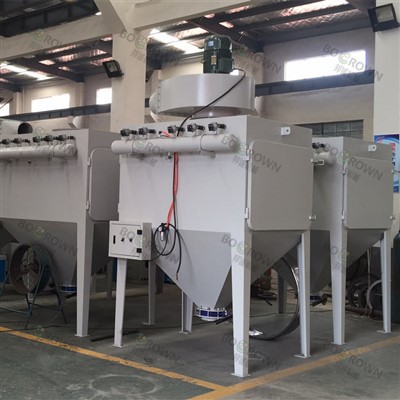
Our system is designed with safety in mind. The hoppers and feeders are equipped with safety guards and sensors to prevent accidents and ensure the safety of the operators. The control system also provides comprehensive safety features, such as emergency stop buttons and overload protection.
Contact Us for Purchase and Consultation
PVC Additives Dosing Machine If you are interested in learning more about our PVC Automatic Compounding and Feeding System or have any questions about the weight measurement process, please feel free to contact us. Our team of experts is always ready to provide you with detailed information and personalized solutions to meet your specific needs. Whether you are a small-scale PVC manufacturer or a large industrial enterprise, our system can help you improve the quality, efficiency, and profitability of your production process.
References
- ASTM D1248 – Standard Specification for Poly (Vinyl Chloride) (PVC) Resins for General Purpose Use
- ISO 1043-1:2011 – Plastics – Symbols and abbreviated terms – Part 1: Basic polymers and their special characteristics
- White, J. L., & Peláez, A. (2011). Polymer Processing Principles and Design. Hanser Publishers.
ZJG BC Machinery Co., Ltd.
As one of the most professional pvc automatic compounding and feeding system manufacturers and suppliers in China, we’re featured by quality products and good price. Please rest assured to buy cost-efficient pvc automatic compounding and feeding system for sale here from our factory. Contact us for custom service and OEM service.
Address: No.8 Lexi Road, Leyu Town, Zhangjiagang City
E-mail: sales@bcextruder.com
WebSite: https://www.bcextruder.com/
