Hey there, let’s cut to the chase—if you’re in the automotive parts game, you already know the real headaches are protecting tiny, sensitive bits until they hit the assembly line or a dealership shelf. Last month, I had a shop foreman hit me up, panicking because 500 brake calipers got scratched during transport to a plant, costing them almost $8k in rework and delays. Guess what? That could’ve been avoided if they used the right PVC film for packaging. I run a PVC film supply business, so I’m not here to sell you snake oil—this is the real deal on how PVC film isn’t just for shrink-wrapping pallets, it’s the unsung hero of automotive parts packaging. PVC Film
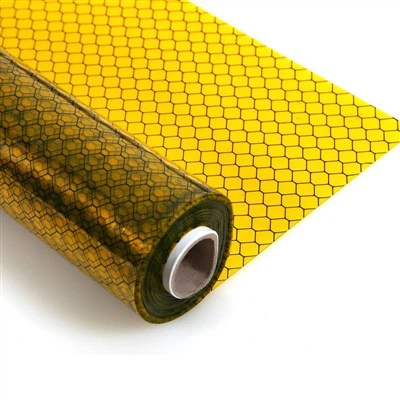
Let’s start with the basics, no jargon: PVC (polyvinyl chloride) film is this flexible, durable plastic film we make in different thicknesses, textures, and cling levels—way more tailored than generic plastic wrap. You might’ve seen it on food packaging or retail blister packs, but in automotive parts, it’s a game-changer because every part has a “don’t scratch this” rule—even a tiny scuff on a brake line or a sensor chip can derail a whole production line.
First up: electrical and electronic components. Think about it—modern cars have like 100+ sensors, wiring harnesses, ECU modules, and tiny computer chips, all of which are static-prone and easily scratched. I used to work with a customer who packaged their tiny ECU boards in regular plastic; half got static damage, and they couldn’t figure out why. Switch to our anti-static PVC film, and that problem’s gone. Wait, why? PVC has this natural ability to hold a static-dissipative charge when we process it right—no extra additives needed, so there’s no gunk left on the part. Some of our film is also UV-stabilized, which is perfect for parts that sit on a dock for a few weeks before being installed. Last quarter, I sent a roll to a team packaging LED headlight modules—they used to use paper sleeves that left dust, now they use our matte PVC film, and their defect rate for headlight lenses dropped 22%. It sticks just enough to hold the part in place during shipping, but not so much that it leaves residue when you peel it off. That’s a big one—no one wants a sensor covered in sticky plastic gunk when they’re trying to install it.
Next, metal parts—let’s talk brake calipers, wheel studs, exhaust manifolds, and even the tiny screws that hold a dashboard together. Metal rusts, scratches, and gets dirty super fast if it’s not sealed. Regular shrink wrap can tear on sharp edges, but PVC film has high tensile strength—we make a 15-micron grade that’s thin enough to not add bulk to a pallet, but tough enough to resist punctures from a sharp caliper bracket. Also, PVC is moisture-resistant, so it keeps parts from getting surface rust if they’re stored in a humid warehouse. I had a client in Detroit who ships brake calipers cross-country; before using our PVC film, 3% of their parts showed surface rust by the time they arrived. After switching? Less than 0.5%. They even use our slightly thicker (25-micron) grade for bulk pallets, where they add a tiny bit of slip agent so the film doesn’t stick to adjacent calipers. Pro tip: don’t use cheap PVC film from random sellers—we test every roll for thickness consistency, because a 1-micron difference can mean the difference between a scratch and a perfect part.
Then there’s interior and exterior trim parts—think dashboard panels, door handles, side mirror caps, even plastic trim for the hood. These are the parts customers see first, so scratches or scuffs are a death sentence for a batch. PVC film here isn’t just protective; it can be customized to match the part’s finish. We’ve done clear high-gloss film that looks like it’s not even there for glossy door panels, and matte film for textured dashboard parts. Wait, and if a part has a painted finish that’s prone to chipping, we can add a layer of lubricity to the PVC film so it doesn’t stick to the paint. A client that customizes luxury car interiors told me they used to use foam inserts, but foam traps dust and can leave static marks. Our PVC film holds the trim in place without trapping anything, and they don’t get any more scuffs during transit. Also, PVC film is heat-sealable, so you can make custom-sized bags for individual trim pieces—no excess space, no shifting around during shipping. That saves them money on material waste too, because they only use as much film as they need.
Oh, and let’s not forget non-metallic, non-electronic parts—rubber seals, gaskets, plastic fuel lines, even glass parts like side mirrors or small windshields. Rubber seals get stretched out if they’re not packaged right, but PVC film has that clingy (but non-residue) property that holds seals in their original shape. We work with a company that supplies rubber weatherstripping for semi-trucks; they used to stack seals on pallets, but they’d get deformed. Now they wrap each seal in our flexible PVC film, and they arrive perfectly shaped. For glass parts, the clear PVC film has enough scratch resistance to keep small rocks or dust from scratching the surface during transport, and it’s tear-resistant if a pallet gets dropped.
Wait, I know what you’re thinking—“what about other packaging materials, like PET or LDPE?” Let’s keep it real: LDPE is cheap but not strong enough for sharp metal parts; PET is stiffer, so it can crack if you bend it, and it’s more expensive. PVC film hits that sweet spot: flexible, tough, cost-effective, and customizable. The only catch is you have to get the right grade for the part—you don’t use a thin, stretchy film for brake calipers, and you don’t use a thick, stiff film for tiny sensors. That’s where we come in—we don’t just sell you a roll of PVC film, we ask about your parts, your shipping route, your storage time, and then we hook you up with the right grade.
Now, let’s talk about why this stuff matters for your bottom line. Let’s do quick math: if a single brake caliper costs $500 to replace or rework, and you have 1,000 calipers in a shipment, cutting defects from 3% to 0.5% saves you $12,500. Our PVC film costs about $0.15 per square foot—you’re spending maybe $150 on film for that shipment. That’s a no-brainer. Also, less rework means faster turnaround on parts, which means less downtime for your assembly line. A friend who runs a parts distributor in Atlanta told me that switching to our PVC film saved them 10 hours a week in rework time, which is like two extra days of shipping they can use to get parts to customers on time.
I should also mention a few things to watch out for, so you don’t waste time or money. First, make sure your PVC film is compliant with automotive industry standards—like the ones for anti-static properties, because if it’s not, you’ll fry a batch of sensors. We test all our film for ANSI/ESD S541, so you don’t have to worry about that. Second, don’t overpay for film that’s too thick for your parts—15-micron is enough for most small parts, 25-micron for bulk pallets, 35-micron for extra sharp metal parts. Third, avoid film that leaves residue—we add food-grade (and automotive-grade) release agents, so when you peel the film off, there’s no sticky gunk left, even on painted plastic.
Here’s the thing: I’ve been in the PVC film supply game for 8 years, and I’ve seen every packaging fail you can imagine—scratched parts, static-damaged sensors, rusted metal, even parts that got lost because they shifted around in generic bags. PVC film solves almost all of those problems, but only if you use the right kind, from a supplier who knows what they’re doing. We don’t just ship rolls—we help you figure out exactly what grade you need, test a small batch for free, and stand behind every roll we send.
If you’re tired of dealing with part defects eating into your profits, or wasting time and money on packaging that doesn’t work, hit us up. We’ll chat through your specific needs, send you a sample roll, and help you stop losing money to avoidable packaging mistakes. No sales pitch, no pressure—just real advice from someone who’s been in this with automotive parts suppliers for years.
Antistatic PVC References
- Automotive Packaging Association. (2022). "Protective Packaging for Automotive Components: Material Performance Standards." Technical Report.
- European PVC Industry Association. (2021). "Flexible PVC Film Applications in Automotive Supply Chains." Industry White Paper.
- National Institute of Standards and Technology (NIST). (2020). "Static Dissipative Packaging for Electronic Components: Material Selection Guidelines." Technical Note.
- Society of Automotive Engineers (SAE). (2023). "Surface Protection of Automotive Body Parts During Transit and Storage." SAE International Standard J2334.
- Packaging Digest. (2022). "Trends in Automotive Packaging: Moving from Generic to Component-Specific Solutions." Industry Article.
Nantong Dahe Composite New Material Technology Co., Ltd.
We’re well-known as one of the leading PVC film manufacturers and suppliers in China, specialized in providing high quality customized products to global clients. Please feel free to wholesale cheap PVC film in stock here from our factory. Contact us for quotation and free sample.
Address: South Side of Pinghai Highway, Pinghe Village, Dongshe Town, Tongzhou District, Nantong City, Jiangsu Province, China
E-mail: nantongdahe@outlook.com
WebSite: https://www.cndahetech.com/
