If you’ve ever walked through a food processing plant—say, a cookie factory where ovens hum 24/7, a dairy plant with endless stainless steel pipes, or a produce packing line where robots sort berries at breakneck speed—you’ve probably noticed a ton of blinking lights everywhere. Those are stack lights, right? But here’s the question I get all the time from plant managers and engineers: “Can my RS485 stack light even work in this kind of environment? Our shop floor isn’t exactly gentle, and we have to follow super strict food safety rules.” Full transparency, that’s the exact question I’ve been fielding for the past 18 months since I started at my RS485 stack light supply gig, and it’s one I don’t answer with a flat yes or no. Let’s break this down like we’re chatting over a coffee at a trade show, no corporate jargon allowed. RS485 Stack Light
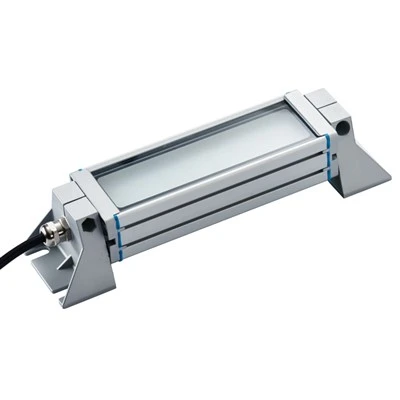
First, let’s get on the same page about what an RS485 stack light is, ‘cause not everyone is a wiring nerd like me. Regular stack lights are just those tiered, color-coded lights (usually red, yellow, green, sometimes blue or white) that show machine status: red means line is down, yellow is a minor warning, green is running smooth. But RS485 is the communication protocol that makes these lights smart—instead of each light needing its own separate wire to connect to the PLC (programmable logic controller, the brain of the line), they daisy-chain together over one RS485 cable. That’s a huge win for food processing plants where every inch of floor space counts, and running extra wires is a pain. Now, the big ask: can these hold up in a space that’s humid, wet, sometimes has food debris flying around, and needs to meet health standards? Let’s dive into the nitty-gritty.
First off, food processing environments have a set of unique stressors that regular industrial gear doesn’t always handle. Let’s name ‘em: constant exposure to water (from hose-downs, steam, condensation), food particulates (flour, sugar, dairy residue, vegetable pulp), extreme temps (ovens are hot, walk-ins are freezing), and strict hygiene rules like 3-A Sanitary Standards, EHEDG guidelines, or FDA food contact regulations. A lot of older stack lights are made of cheap plastic that cracks when you spray it with high-pressure water, or has crevices where crumbs get stuck and breed bacteria. So if our RS485 stack lights are gonna work here, they need to check those boxes first.
Let’s talk hardware first. The majority of the RS485 stack lights I sell are IP66-rated, which basically means they’re totally dust-tight and can handle high-pressure water jets from any angle. That’s non-negotiable for hose-down shifts at 2 a.m. in a meat packing plant, trust me. Even better, we make a version with a smooth, rounded stainless steel housing—no sharp edges, no small holes or gaps where food gunk can hide. No crevices, no cracks, just a seamless shell. That’s a big deal ‘cause if you have a spot where flour gets trapped, that’s a food safety hazard; inspectors will flag it fast. I had a customer last month who ran a bakery with a old stack light that had tiny seams between the tiers. He said he found dried cookie dough crammed in there during a deep clean, and had to rip it out ‘cause an inspector gave him a warning. Our stainless steel stack lights? No seams, so that never happens.
Next, the electronics inside. RS485 is known for being robust, but if moisture gets inside the light housing, that can mess up the wiring or the circuit board. All our RS485 stack lights have a sealed internal circuit board, potting compound that keeps moisture out, and the cable glands are waterproof too. We don’t cut corners here—we test every unit by spraying it with a high-pressure hose for 10 minutes straight before it leaves our warehouse. Some people ask if the RS485 communication gets flaky when it’s wet or near other electronics. Nah, we’ve run side-by-side tests with other industrial gear in food plants, and the differential signaling that RS485 uses means it’s way less prone to interference than old analog systems. I’ve had a customer in a canning plant where the line is surrounded by big motors and conveyors, and he said our stack lights’ RS485 connection has never dropped a signal, even when they’re running the line at full tilt 18 hours a day. That’s a huge win ‘cause if a light goes dark because the signal cuts out, line operators waste time checking a light that’s actually working, which slows down production.
Now, food safety compliance is the make-or-break part, right? You can have a light that’s tough as nails, but if it’s not allowed near food, it’s useless. All our RS485 stack lights’ wetted parts (the parts that could accidentally touch food, like the housing) are made from materials that meet FDA 21 CFR Part 177, which is the big standard for food contact materials. That means if a tiny piece of the light broke off and fell into the product, it won’t leach any chemicals or contaminate the food. We also have a 3-A compliant option for customers who need extra strict certification—3-A is the gold standard for sanitary equipment in dairy, beverage, and pharmaceutical food processing, so that checks that box too. Some people think stainless steel housing is automatically compliant, but no—cheap stainless can have coatings that aren’t food-safe, but ours is 304 or 316 stainless (316 is even better for corrosive stuff like salt or acidic foods) with no extra coatings, so that’s safe.
Wait, but what about use cases? Not every food processing plant is the same. Let’s say you’re running a fresh produce line, where you’re spraying produce with water nonstop, or a chocolate factory where there’s sugar dust everywhere—our RS485 stack lights work for both. I had a customer in a craft brewery who uses our stack lights on their bottling line, where they hose down the line every night. He said he’s had them running for 2 years, no issues, and they still look like new. Another one is a frozen pizza maker, where the line goes from -20°F freezers to 180°F ovens. Our stack lights have a wide temp range (-40°F to 158°F) so they don’t crack or the LEDs don’t burn out when the temp swings. That’s another thing regular consumer lights can’t handle—they die in extreme temps, but industrial RS485 stack lights are built for that.
But here’s the thing—they’re not perfect for every single spot in a food processing plant. For example, if you have a light that’s right over a mixing vat where food is being cooked at super high temps, you might need a slightly different housing, but that’s a custom option we offer. Or if you need a light that can be fully submerged (like in a fruit washing tank), we have a waterproof submersible version too. The key is matching the light to the specific environment, not just buying a generic RS485 stack light. I always tell customers that a light that works in a cookie bakery might not work in a seafood plant, ‘cause seafood has saltwater which is more corrosive. So we work with them to pick the right housing, rating, and configuration.
Let’s talk about a real pain point for plant managers: downtime. In food processing, every minute of downtime costs money—like, a big line can lose $10k an hour, easy. Traditional stack lights are wired separately, so if one tier goes out, you have to troubleshoot each wire, which takes forever. With RS485 stack lights, since they’re daisy-chained, you can troubleshoot the whole line remotely via the RS485 network. You can send a signal to the light to check each LED, or get a notification on the HMI (human-machine interface) when a light is having an issue. That means you don’t have to climb ladders or walk the whole line to check a light—you can do it from the control room, which saves tons of time. One of my customers at a frozen food plant told me that since switching to our RS485 stack lights, they’ve cut troubleshooting time for status lights by 70%, which is a huge win for their bottom line.
Another big plus: customization. Food plants don’t all use the same color codes for status. Some use red for line down, yellow for raw material low, green for running, but others have different codes—like blue for cleaning in progress, or white for a quality check. Our RS485 stack lights let you customize the colors, flash patterns, and even the messages you get on the HMI. So you can set a flashing blue light to mean “sanitization cycle running” which is perfect for plants that do regular deep cleans. No more mixing up status codes ‘cause everyone uses a standard set—you can make it fit your plant’s exact needs.
Wait, but I should be honest about the potential pitfalls, ‘cause I don’t wanna sell people something that doesn’t work. A common mistake is buying a cheap RS485 stack light from a no-name supplier that doesn’t build them for industrial food environments. Some cheap ones have plastic housings that crack under high-pressure water, or their circuit boards aren’t sealed, so after a few months, moisture gets in and the LEDs die. That’s why it’s important to go with a supplier who tests their lights specifically for food processing environments, not just general industrial use. We send all our customers a test sample if they’re unsure—let them run it on their line for a week, hose it down, spray dust on it, make sure it works for their needs. No pressure, just transparency.
Let’s wrap this up. So, can an RS485 stack light be used in a food processing environment? The short answer is yes—if you pick the right ones, built for the specific stresses of your plant. They’re tough enough to handle hose-downs, moisture, extreme temps, and food particulates, they meet the food safety standards, and their RS485 communication saves time on wiring and troubleshooting, which is huge for a sector where downtime is expensive. But you can’t grab any off-the-shelf RS485 stack light—you need to work with a supplier who understands food processing needs, offers the right housing, compliance certifications, and customization.

If you’re a plant manager, engineer, or maintenance lead who’s tired of stack lights that die after a few months, or struggle with troubleshooting, or are worried about food safety compliance, reach out. We’ve helped dozens of food processing plants upgrade their status lighting, cut downtime, and keep their lines running smoothly. We can walk you through the options, send test samples, and make sure you get a stack light that fits your exact environment. No pushy sales talk, no fine print—just a product that works for your food processing line.
LED Gooseneck Light References:
- 3-A Sanitary Standards, Inc. 3-A Standard 40-01: Sanitary Design of Electric Motors and Controls. 2022.
- U.S. Food and Drug Administration. 21 CFR Part 177: Indirect Food Additives: Polymers. 2023.
- International Electrotechnical Commission. IEC 60529: Degrees of Protection Provided by Enclosures (IP Code). 2013.
- National Sanitation Foundation. NSF/ANSI 2: Sanitary Equipment for Food and Beverage Processing. 2021.
Suzhou Pouge Lighting Electrical Appliance Co., Ltd.
As one of the most professional rs485 stack light manufacturers and suppliers in China, we also support customized service. Please feel free to wholesale advanced rs485 stack light made in China here and get quotation from our factory. For price consultation, contact us.
Address: Building 6-501, No.1330, Jinfeng South Road, Mudu Town, Wuzhong District, Suzhou City, China
E-mail: xduanlyy@126.com
WebSite: https://www.pouge-light.com/
