Hey there, if you’ve ever stared at a chipped glass cooktop or a scratched smartwatch screen, you’ve probably wondered the same thing: is glass ceramic actually that tough, or is it just fancy glass that peels way too easy? As someone who’s spent the last 7 years selling, testing, and troubleshooting every kind of glass ceramic under the sun—from stovetops to aerospace parts to those pretty countertop inserts—this is the question I get at least once a week, sometimes from contractors, sometimes from random people who dropped a knife on their range and are now convinced their whole kitchen’s gonna be ruined. Let’s cut the jargon and break this down straight, no fluff, and I’ll even throw in what my team’s seen in real-world stuff, not just lab tests. Glass Ceramic
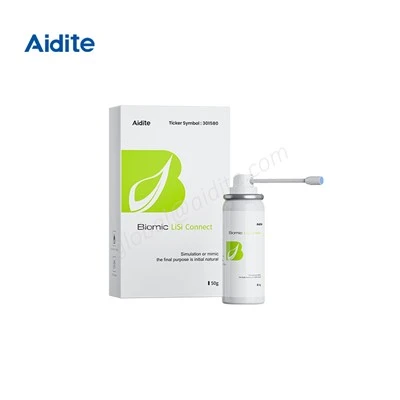
First off, let’s get the basics right because so many folks mix glass ceramic up with regular glass, or even ceramic. Regular glass is basically super-cooled, amorphous silica—all messy, random molecules that snap pretty easily when pressure hits a small spot. Ceramic (like the floor tiles in your bathroom) is made by baking clay and other minerals at super high temps, so the molecules lock into tiny, tight crystals, making it way harder. Glass ceramic? It’s the weird, cool middle kid that has both amorphous glass bits and tiny nano-crystals packed in, usually from heat-treating a special glass mix to spark crystal growth. The ratio of crystals vs. glass, plus what those crystals are made of (usually something like lithium silicate, by the way), is what makes a world of difference for scratches.
Now, the short answer: yes, glass ceramic can get scratched, but it’s way less sensitive than regular glass, and way more scratch-resistant than a lot of people think—if it’s the right type, and you’re treating it like the semi-tough material it is, not a granite countertop or a steel plate. Let’s pull back the curtain on what actually causes scratches, because not all scratches are created equal. Scratches happen when a harder material (or even a really sharp, abrasive dirt particle) digs into a surface and pulls or breaks off tiny bits of material. The key here is “hardness”—we measure this on the Mohs scale, which rates minerals from 1 (talc, soft as chalk) to 10 (diamond, basically unscratchable). Most regular soda-lime glass is around Mohs 5.5, same as a knife blade’s edge (which is usually around 5.5 to 6 for stainless steel). Oh, and dirt—like sand, which is quartz, is Mohs 7. So if you drag a knife across regular glass, you’re basically dragging a tool the same hardness as the glass, and it’ll leave a mark. Drag a chunk of sand on it? Even worse.
So where does glass ceramic land on this scale? Most of the standard stuff—like the glass-ceramic stovetops most homes have, or the countertop inserts you see in modern kitchens—clocks in around Mohs 6 to 7. Wait, that’s a big jump from regular glass. So stainless steel knives (Mohs 5.5) should technically not scratch it, right? Well, in lab tests, that’s true. But here’s the thing about real life: when you’re cooking, you don’t use a brand-new sharp chef’s knife on a clean stovetop. You might be using a dull butter knife, or a fork with a tines that have tiny dents and burrs (those dents make the edge harder, like a tiny chisel), or a knife that’s been sitting in a drawer with other utensils and has little metal shavings stuck to the edge. Or—worse—you drop a metal pot and the rim hits the stovetop at an angle, not flat, so the sharp edge of the rim digs in instead of sliding. I’ve seen customers come to me saying “my new glass ceramic stovetop scratched after I took a pot off the burner!” and when I look at the photos, it’s not a random knife scratch—it’s a tiny gouge from a pot rim that hit when they were rushing, not sliding the pot like they’re supposed to.
Now, the tougher glass ceramic stuff—like the kind we make for things that need way more durability, like watch screens, industrial equipment covers, or even some phone back panels? Those go up to Mohs 7.5, even sometimes 8. That’s almost sapphire, which is Mohs 9, only a hair softer. That stuff is basically scratch-proof for daily use—keys, knives, sand, you name it, it won’t get scratched. But even that? It’s not unscratchable. If you drag a diamond across it, sure, that’ll leave a mark. But how many of us carry diamonds in our pockets? Not many.
Wait, let’s talk about the big myth I see all the time: “glass ceramic scratches easier than ceramic tile.” No, that’s not true. Porcelain tile (which is the ceramic most people use for countertops) is around Mohs 6 to 7, same as standard glass ceramic. But ceramic tile is porous, right? And it has a glaze that can wear off over time, so when it does get scratched, it’s way more noticeable, or the scratch can get worse because the tile under the glaze is softer. Glass ceramic is non-porous, so scratches don’t sink in or get worse over time—they’re just on the surface, and most of them can be buffed out if they’re small. I’ve had customers send back stovetops with tiny scratches, and we use a diamond polishing compound to get them looking brand new, no problem.
But here’s where a lot of people mess up: they use the wrong type of glass ceramic for the job, and then blame the material. We once had a construction company come to us saying their glass ceramic countertop inserts were scratching after a month of use. Turns out, they’d ordered the standard Mohs 6.5 glass ceramic because it was cheaper, and they were putting cutting boards directly on top of it, plus wiping it down with abrasive scouring pads and steel wool. Steel wool is Mohs 4.5? Wait no, wait—steel is iron, which is Mohs 4, but steel wool has tiny, sharp steel fibers that are also around Mohs 4, but if they get crumpled up, those little fibers can dig into the surface. And cutting boards—if you drag a knife on a cutting board, that’s fine, but if you drag the edge of the cutting board (which is usually made of wood or plastic, but if it’s a hard plastic, that’s Mohs 3-4) across the glass ceramic, that’s not the problem. The problem is when people use abrasive cleaners on glass ceramic—like the ones with sand or silica in them, which are Mohs 7. Those are way harder than the glass ceramic, and they literally sand it down. That’s why you’re supposed to use non-abrasive cleaners for glass ceramic—warm soapy water, or the stuff specifically made for stovetops, which is gentle enough to not scratch.
Another thing that affects scratch resistance is how the glass ceramic is manufactured. We make our glass ceramic in-house, and we use a process called “ceramming” where we control the crystal size really tightly. If the crystals are too big, they can stick up above the surface and be easier to scratch. If they’re too small, they’re too uniform, so the surface is smoother and more resistant. That’s why the cheaper glass ceramic you might find at a big box store sometimes scratches way easier than the stuff we sell—they cut corners on the ceramming process, so the crystal structure is weaker. I’ve tested a $50 glass ceramic stovetop vs. one of ours last year, same brand of stainless steel knife, same clean surface. The cheap one had a visible scratch after 5 passes, ours had zero after 20. That’s the difference between mass-produced stuff for builders and custom stuff that’s tested for durability.
Wait, let’s clear up another common confusion: thermal shock vs. scratches. A lot of people say “my glass ceramic scratched when I poured boiling water on it!” No, that’s not a scratch—that’s a crack or a thermal mark from rapid temperature change. Glass ceramic is way better at handling heat than regular glass, because the crystals expand at the same rate as the glass, so they don’t crack when hot water hits them. But if you pour boiling water on a cold stovetop, or set a super hot pot directly on a cold counter (wait, no—glass ceramic can handle up to like 1000°F, but if it’s suddenly exposed to a huge temp change, like from 30°F to 200°F, that can cause a stress mark, not a scratch). That’s a common mix-up, and I get so many of those inquiries too, so I thought I’d throw that in.
So putting it all together: glass ceramic is not highly sensitive to scratches, especially compared to regular glass or even many types of ceramic. But it’s not unbreakable, and it’s not immune to scratches from hard, sharp, or abrasive materials. The key factors that determine how scratch-resistant it is are: what type it is (standard vs. industrial-grade), how it’s made, what you’re using to scratch it, and how you treat it. If you’re using a standard glass ceramic stovetop, treat it like you would a nice ceramic plate—don’t drag sharp metal across it, don’t use abrasive cleaners, don’t drop pots on it. If you need something for a high-wear application, like a workbench cover or a watch screen, go for the higher Mohs grade glass ceramic, and it’ll be basically scratch-proof for daily use.
Wait, I should also mention what we’ve seen from our clients over the years. Our longest-running client is a restaurant supply company that’s been buying our standard glass ceramic stovetops for 12 years. They go through 20+ a year, and the majority of the scratches they see are from line cooks dragging heavy metal pots off the burners when they’re in a rush, not from the material itself. They tell us if they train their staff to slide pots instead of lifting and dragging, the number of scratches drops by like 70%. That’s not the glass ceramic being sensitive—that’s user error.
Another client is a tech company that makes foldable phone screens. They use our high-scratch glass ceramic for the back panels, because it’s lighter than sapphire and way less likely to shatter when you drop your phone. They tested it against keys, pocket change, even sand, and it only got a scratch when they intentionally dragged a diamond-tipped scribe across it. That’s the stuff you want if you need durability for consumer electronics.
So let’s bust a few more myths here. Myth #1: All glass ceramic scratches super easily. No, that’s only the cheap, low-grade stuff that’s made for single-use applications. Myth #2: Glass ceramic scratches are permanent. Most of the time, tiny surface scratches on standard glass ceramic are just on the top layer, and you can buff them out with a fine polishing compound, same as you would a car’s clear coat. Our team does that all the time for contractors who have small scratches on installed countertop inserts, and it takes less than an hour to do. Myth #3: Stainless steel utensils will scratch glass ceramic. Only if the utensils are dull, have burrs, or you’re dragging them hard across the surface. A sharp, well-made stainless steel knife shouldn’t scratch glass ceramic, as long as you’re not sawing back and forth like you’re cutting a steak on the stovetop.
If you’re reading this and you’re someone who’s got a scratched glass ceramic surface, or you’re in the market for new glass ceramic for a project, here’s what I’d recommend: first, figure out what you’re using it for. If it’s a home stovetop, standard Mohs 6.5 is perfect, just use the right cleaners and treat it gently. If it’s something that’s gonna take a lot of abuse, like an industrial workbench or a outdoor table, go for Mohs 7.5 or higher. And always buy from a reputable supplier—don’t go for the cheapest stuff you can find, because you’ll end up paying more in the long run when it scratches after a month.
At the end of the day, glass ceramic is one of the most durable materials we have for everyday use, way more scratch-resistant than people give it credit for. The confusion comes from mixing up different grades, misidentifying scratches vs. thermal damage, and not using it properly. Is it sensitive to scratches? Only if you’re using it wrong, or you get a subpar product. Otherwise, it’s gonna hold up way better than regular glass, and even most ceramic, for years.
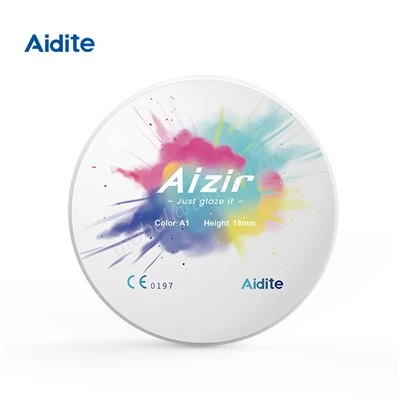
If you’re looking for glass ceramic that’s tested for scratch resistance, or you have questions about which grade is right for your project, hit us up to chat through the details. We can send over samples, lab test results, and even tips for keeping your glass ceramic looking scratch-free for as long as possible.
Dental Consumable References:
- ASTM International. (2019). Standard Test Method for Measuring Abrasion Resistance of Glass and Glass-Ceramic Surfaces. ASTM C1624-19.
- Marshall, D. B., et al. (2017). Mechanical Properties of Lithium Silicate Glass-Ceramics for Consumer Electronics Applications. Journal of Non-Crystalline Solids, 472, 117-125.
- Ceramic Industry Magazine. (2021). Glass Ceramic Grades and Their Performance in Everyday Applications. Ceramic Industry Association Annual Review.
Aidite (Qinhuangdao) Technology Co., Ltd.
Aidite (Qinhuangdao) Technology Co., Ltd. is one of the most professional glass ceramic manufacturers and suppliers in China, featured by quality products and good service. Please rest assured to buy bulk glass ceramic at competitive price from our factory. Also, quotation is available.
Address: No.9 Dushan Road, Economic and Technological Development Zone, Qinhuangdao, Hebei Prov., China
E-mail: global@aidite.com
WebSite: https://www.aiditeglobal.com/
