If you’ve ever stood on a bustling construction site at dawn, watching a concrete mixer truck rumble into position, you know that not all mixers are created equal. For 12 years, I’ve been supplying custom concrete mixer trucks to contractors across North America, and I can tell you: the biggest mistake a builder can make is buying a one-size-fits-all unit. A mixer that works for a suburban residential pour won’t hold up to a remote road project in the Rockies, and a model built for small urban jobs won’t have the capacity for a high-rise foundation pour. Today, I’m pulling back the curtain on all the customization options we offer, straight from the service bay where I watch our team build these trucks from scratch. Concrete Mixer Truck
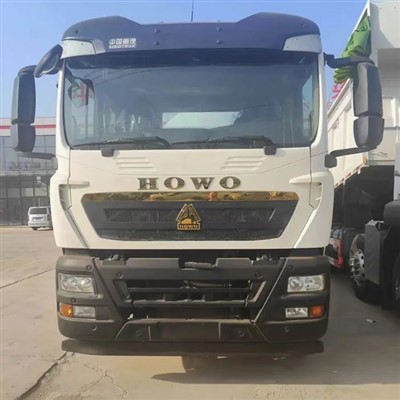
Let’s start with the heart of the mixer: the drum. This is where concrete gets mixed, transported, and kept workable—so every detail here depends on your project needs. For small residential pours, like a backyard patio or a foundation for a single-family home, we offer 6 to 8 cubic yard drums. These compact units fit easily down narrow suburban streets, and their smaller turning radius is a lifesaver in tight cul-de-sacs. But if you’re working on a commercial high-rise or a major highway project, you’ll need a larger drum. Our 10 to 12 cubic yard drums cut down on the number of trips you have to make to the batch plant, which saves time and cuts fuel costs. We also offer specialized drum liners: for aggressive mixes with high gravel content, we use abrasion-resistant steel liners that double the drum’s lifespan, so you don’t have to worry about premature wear. For lightweight concrete mixes, used in roof decks or precast elements, we can install liners that reduce friction and prevent material from sticking. That’s a small detail, but it makes a huge difference in how much usable concrete you get per load.
Next up is the drum’s drive system. This is what keeps the concrete turning at the exact speed it needs during transport—usually 2 to 6 RPM—so it doesn’t harden or segregate. Standard models use a direct drive system, which is reliable for most on-road jobs. But for off-road sites, like construction in mountainous areas or remote rural locations, we offer hydraulic drive systems with variable speed control. These systems can adjust the drum’s rotation in real time, even when the truck is idling on a steep slope, so you never have to worry about concrete settling. We also offer pneumatic drive systems for extreme cold climates, where hydraulic fluid can thicken and cause mechanical failures. I’ve seen contractors up in northern Minnesota rely on these pneumatic units during winter pours; they start on the first try even when temperatures drop below 0°F, which is a game-changer when you’re racing against freezing concrete.
Then there’s the chassis. This is the part that carries the mixer, and customizing it is critical for matching your site’s terrain. For urban jobs with smooth pavement and narrow roads, we use a standard cab-and-chassis with a 4×2 drivetrain. These trucks are light enough to maneuver through downtown construction zones, and they have a lower weight limit that’s perfect for small, frequent loads. But if you’re working on a remote forest road or a job site with muddy, unpaved access, a 6×6 drivetrain is non-negotiable. The extra axles distribute the mixer’s weight more evenly, preventing the truck from getting stuck in soft soil or deep ruts. We also offer heavy-duty chassis upgrades, like reinforced frame rails and heavy-duty suspension systems, for projects that require a lot of stops and starts, like city infrastructure repairs. I remember one contractor who was building a pipeline in the Canadian wilderness; he specified a 6×6 chassis with off-road tires, and he told us later that the only time his truck got stuck was when he tried to take a shortcut through a swamp. That’s the kind of reliability custom chassis deliver.
Now, let’s talk about on-board features that make your job easier. Every mixer has a hydraulic chute that extends from the drum to pour concrete where it’s needed, but standard chutes only reach about 10 feet. For jobs where you can’t get the truck close to the pour site—like a bridge deck or a tall building’s upper floors—we offer extended chutes that reach up to 25 feet. Some contractors even ask for remote-controlled chutes, which let an operator adjust the chute’s angle and length from the ground, so they don’t have to climb on top of the truck during a pour. That’s a huge safety win, by the way; falls from mixer tops are a common site hazard, and remote chutes eliminate that risk. We also add water tanks to every mixer, but you can customize the tank size to match your needs. A 50-gallon tank is enough for small residential pours, but for large commercial jobs, a 200-gallon tank lets you add water to the concrete mix on site, right before pouring. That’s critical for adjusting the mix’s slump (the fluidity of concrete) to match weather conditions—hot, dry weather makes concrete harden faster, so adding a small amount of water on site keeps it workable longer.
Another often-overlooked customization is the cab and operator controls. For contractors who run multiple mixers, we offer in-cab digital control panels that let operators adjust the drum’s speed, monitor water levels, and track the mix’s slump all from the driver’s seat. These panels also log data like how many loads you’ve delivered and how much concrete is left in the drum, which is great for inventory tracking and invoicing. For long hauls between batch plants and job sites, we add comfort features like air suspension seats, climate control, and Bluetooth connectivity. I’ve had more than one operator tell us that the air seat is the best upgrade we’ve ever offered; after a 3-hour drive on a rough forest road, their back doesn’t ache, which means they’re ready to work as soon as they get to the site. We also offer safety features that can be customized: backup cameras and proximity sensors for busy urban sites, fire suppression systems for mixer drums in areas with wildfire risk, and even GPS tracking so you can monitor your fleet in real time. Last year, a construction company in Texas used our GPS-equipped mixers to coordinate 12 trucks for a hospital foundation pour; they were able to adjust delivery times based on traffic, and they finished the pour 2 hours ahead of schedule. That’s the kind of efficiency customization brings.
Let’s not forget about regulatory and environmental customizations. Different states and countries have different rules for mixer weight, emissions, and noise levels. For jobs in California, where emissions standards are strict, we offer low-emission engine options that meet CARB (California Air Resources Board) requirements. For jobs in residential areas, where noise ordinances ban heavy equipment before 7 a.m., we install quiet drum drives that cut operating noise by 15 decibels, so you can start pours earlier without upsetting the neighbors. We also offer weight-reducing upgrades, like aluminum chassis and lightweight drum materials, for jobs with strict load limits on bridges or city streets. I had a contractor in New York City who needed a mixer for a downtown sidewalk repair project; he specified an aluminum drum and a 6-cubic yard chassis, which cut the total weight by 2,000 pounds, so he didn’t have to apply for a special heavy-load permit. That saved him days of paperwork and thousands of dollars in permit fees.
One of the most interesting custom requests we get is for specialty mix designs. Wait, did you know you can customize the mixer drum to handle special concrete mixes? For precast concrete manufacturers, we offer mixers with slower drum rotation speeds to prevent delicate precast elements from breaking during transport. For shotcrete, used in tunnel construction or slope stabilization, we add a special nozzle attachment that lets you pump concrete directly from the drum to the sprayer. For fiber-reinforced concrete, which is used in high-traffic areas like warehouses or airport runways, we install mixers with internal agitation systems that keep the fibers evenly distributed, so they don’t clump together. I worked with a tunnel construction company last year that was building a stretch of subway in Chicago; they needed shotcrete that could be applied to curved tunnel walls, so we customized the mixer’s nozzle with a flexible hose that could reach into tight corners. They told us that mixer cut their shotcrete application time by 20%, which is a huge win when you’re working on a tight tunnel project timeline.
Of course, all these customizations aren’t just about adding features—they’re about solving specific problems that come with each job. I’ve had contractors come to us after a bad experience with a off-the-shelf mixer: one who got stuck in a mud pit because his 4×2 chassis wasn’t strong enough, another whose concrete hardened halfway to the job site because the drum drive failed in cold weather, another who had to pay thousands in fines because their mixer was too heavy for a city bridge. That’s why we start every project with a consultation: we ask about your job site location, the type of concrete you’re pouring, the size of the loads, local regulations, and even your team’s specific needs. We don’t just sell you a mixer—we build a unit that fits your exact workflow.

If you’re tired of dealing with mixers that don’t perform for your jobs, it’s time to talk about custom options. Whether you need a compact 6-cubic yard mixer for suburban patios, a heavy-duty 12-cubic yard unit for high-rises, or a specialized mixer for remote off-road projects, we can build it to your specs. We’ve been in this business long enough to know that the right mixer doesn’t just get the job done—it makes your job easier, safer, and more profitable. If you’re ready to stop settling for one-size-fits-all and start getting a mixer that works for you, reach out to our team to discuss your custom needs. We’ll walk you through every option, help you pick the right features for your projects, and make sure you get a mixer that lasts for years. Don’t let a poorly equipped mixer slow you down on your next job—let’s build something that works for you.
Cement Mixer Truck References
- American Concrete Institute. (2021). Guide for Concrete Mixer Trucks and Transporting Fresh Concrete. ACI 304R-21.
- National Ready Mixed Concrete Association. (2022). Customization Trends in Ready Mixed Concrete Equipment. NRMCA Equipment Report.
- Occupational Safety and Health Administration. (2020). Fall Protection for Construction Workers. OSHA Standard 1926.501.
- Environmental Protection Agency. (2023). Heavy-Duty Engine Emissions Standards. EPA 420-F-23-001.
Shandong Fuxin Automobile Technology Co., Ltd.
We’re well-known as one of the leading concrete mixer truck manufacturers and suppliers in China, featured by quality products and good price. Please rest assured to buy advanced concrete mixer truck made in China here from our factory. Contact us for more details.
Address: West of Nanshou Road, Beihai Road, Weifang City, Shandong Province
E-mail: h17616861003@gmail.com
WebSite: https://www.fuxinautomobile.com/
