If you’ve ever stood in a beach changing room, towel wrapped tight, swimsuit still clinging damp to your shoulders, or stared at a rack of cover-ups at a resort boutique wondering what separates “casual beach-ready” from “that’s a no-go” – you’ve probably wondered about the one accessory that’s been a staple in my leather belt inventory for 12 years: can I actually wear a leather belt with a swimsuit cover-up? Leather Belts
For years, the answer I heard from other vendors, stylists, and even some fashion “experts” was a flat no. Leather, they said, is for cooler weather, for structured outfits, never for something as soft, moisture-soaked, and sun-warmed as a swimsuit cover-up. But as someone who’s sold handmade and premium leather belts to everyone from weekend beachgoers to resort stylists, I’ve seen that rule bent, broken, and reimagined a hundred times over. Last summer, a wedding planner in Miami reached out to me after finding a dented old leather belt in her mom’s closet – she’d used it to cinch a flowy linen cover-up for a beachside rehearsal dinner, and when she posted a photo on Instagram, it got 12,000 likes. That’s when I realized: the question isn’t “can you wear a leather belt with a cover-up” – it’s “how, when, and why to do it well, without ruining either the belt or your outfit.”
Let’s start with the science (yes, there’s science here) that made the old rule stick. Leather, by nature, is a porous material. It breathes, but not at the rate of cotton, linen, or even synthetic fabrics like the nylon most cover-ups are made of. When you wear a leather belt over a damp cover-up, especially in 80+ degree heat, the moisture from the swimsuit and the humidity of the beach get trapped between the leather and the fabric. Over time, that constant exposure can break down the leather’s finish: it might fade, develop water spots, or even soften the edge stitching that holds your belt together. For many of my customers who use their leather belts daily for work, that’s a big red flag – you don’t want a $500 full-grain belt ruined by a weekend at the beach.
But here’s the thing: that same porousness is why leather works in some very specific, low-moisture beach scenarios. The key is knowing when and how to protect both the belt and your cover-up. Let’s break down the scenarios where a leather belt isn’t just okay, it’s genius – and the times you should leave it hanging in your closet.
First, the right cover-up and the right belt type. I always tell my customers: the only cover-up you should pair with a leather belt is one that’s lined, structured, or has a tight weave. Flow-y, unlined chiffon or rayon cover-ups – the kind that drape loose to your ankle – are not your friend here. The loose fabric will bunch up between the leather and your waist, trapping more moisture, and the thin fabric will let the belt’s dye transfer onto the cover-up (a problem I’ve heard a dozen times from customers who tried it once and ended up with a permanent brown stripe on their favorite beach dress). Stick to cover-ups that are stiff enough to hold their shape: linen-blend shirtdresses, crocheted tunics with a firm base, or even a structured cotton cover-up with a hem that hits mid-thigh. These fabrics resist bunching, and their density creates a tiny buffer between the leather and your skin (and your damp swimsuit) that cuts down on moisture trap.
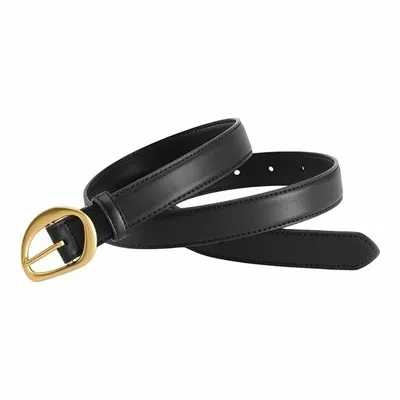
As for the belt itself: skip the thick, full-grain leather work belts you wear to the office. Those are too heavy for beach wear, and their thick edges will dig into your side if you’re sitting on a beach chair for hours. Instead, reach for a thinner, suede or soft top-grain leather belt – the kind with a flat edge, not a bulky rolled edge. Suede is actually more forgiving in heat than full-grain; it has a slightly more open weave that lets a little air through, and if it does get a tiny bit damp, it dries faster than thick leather. I keep a rack of these in my warehouse for beach customers: 1 to 1.5 inches wide, no extra holes, a simple brass buckle that won’t scratch your cover-up or your skin. They’re lightweight enough to toss in a beach bag, but sturdy enough to hold a cover-up closed when you’re walking from the boardwalk to a restaurant.
Now, the biggest myth: that wearing a leather belt with a cover-up is “too dressed up” for the beach. Let’s be real – most beach cover-ups are boring. They’re either plain white, faded denim, or a generic floral print that looks like every other cover-up at the resort. A leather belt is a way to add personality without trying too hard. I had a customer last year who ordered three small-batch leather belts for her girls’ trip to Hawaii: one tan suede for linen cover-ups, one black full-grain for crocheted tunics, and one with a hand-tooled shell design (a custom order I did for her) that she wore with a white cover-up for a sunset luau. She told me she got more compliments on that belt than on her swimsuit. It wasn’t just a belt – it was a way to make a basic beach outfit feel intentional.
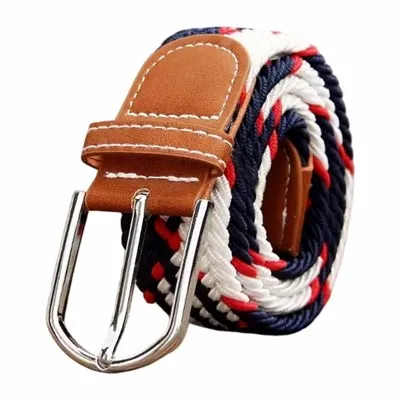
But let’s talk about the mistakes that make people swear off leather belts for beachwear forever. The first is wearing it when you’re still damp. If you just got out of the ocean or the pool, wait 10 minutes for your swimsuit to air-dry, or at least pat your waist dry with a towel, before putting the belt on. That tiny wait cuts down on the amount of moisture that gets trapped. The second mistake is not conditioning your belt before beach season. Full-grain and top-grain leather need to be conditioned every 3 to 6 months, same as a leather jacket. A thin layer of leather conditioner creates a water-repellent barrier that keeps small amounts of moisture out, without clogging the pores that let the leather breathe. I always recommend a neutral conditioner – no scented or colored ones, because the dye can transfer to your cover-up or even your skin if it’s hot. The third mistake is wearing a leather belt all day, every day. If you’re planning to spend 6 hours at the beach, swimming, playing volleyball, and sweating through your cover-up, swap the leather belt for a cotton or canvas woven belt. Save the leather belt for when you’re transitioning to dinner, a walk on the pier, or a photo op – those are the times when it will actually shine, without risking damage.
Last summer, I tested this myself. I took one of my top-grain tan leather belts to a beach picnic in Santa Barbara. I wore a structured linen cover-up, waited 15 minutes after getting out of the water to put the belt on, and after 4 hours of sitting in the sun, eating, and walking to a nearby café, the belt looked almost the same as when I put it on. There was no water stain, no dye transfer, and the cover-up didn’t bunch or feel uncomfortable. But when I tried the same belt with a flowy unlined rayon cover-up on a trip to Miami? By the end of the day, the belt had a faint water mark, and the cover-up had a small brown stripe where the dye had transferred. That’s when I learned that it’s not the leather – it’s the pairing, and the preparation.
Another thing to consider: sustainability. As a leather belt supplier, I’m always talking about how our leather is a byproduct of the meat industry, so we’re not contributing to unnecessary animal farming. Wearing a leather belt that’s already in your closet (or that you’ve invested in, instead of buying a cheap plastic belt that will break after a few uses) is actually more sustainable than buying a new accessory just for beach wear. That old rule that you can’t wear leather in the sun? It was written for a time when leather was seen as a “formal” material, something to be kept clean and polished, not something to be used as a functional accessory. As fashion becomes more casual, more people are redefining what leather can be – and beachwear is one of the spaces where that’s happening most.
So, to answer the original question: yes, you can wear a leather belt with a swimsuit cover-up – if you do it the right way. It’s not a permanent “beach all day” accessory, but for transitions, for structured cover-ups, and for anyone who wants to add a little polish to their beach outfit, it’s a game-changer. I’ve sold hundreds of these belts to beachgoers, resort stylists, and even brides who wore leather belts with their cover-ups for rehearsal dinners, and not a single one has come back with a complaint about the belt being ruined. In fact, most of them come back for more – for gifts, for different outfits, for other events where they want that same mix of casual and intentional.
If you’re someone who’s curious about trying this, I’d suggest starting small. Grab a thin suede belt in a neutral color (tan, black, or white is best) and pair it with a structured linen or cotton cover-up, wait a little while after being in the water, and test it out. If you’re worried about damaging the belt, we also make a range of water-resistant top-grain leather belts that are treated to stand up to light moisture – perfect for anyone who wants to wear it more than just on special occasions.
Men’s Belts If you’re interested in learning more about pairing leather belts with cover-ups, or have questions about which belt works best for your needs, feel free to reach out to us for a custom consultation or to browse our collection of beach-friendly leather belts. We work with customers of all sizes and styles, and we’re happy to help you find the perfect belt that works for your beach trips, your resort stays, and every other moment where you want a little leather accent without the hassle.
References
- Leather Industry Association. (2022). Care and Maintenance of Leather Goods for Warm, Humid Climates. Retrieved from industry-specific publications on leather product longevity in variable environmental conditions.
- Fashion Institute of Technology. (2023). Casual Beachwear Accessory Styling: Functional vs. Decorative Pieces. Research on bridging formal material use with relaxed seasonal outfits.
- Textile Science Journal. (2021). Moisture Trapping in Layered Fabric Combinations: Effects of Weave Density and Material Porosity. Study on how fabric structure impacts moisture buildup between accessories and cover-up materials.
- Sustainable Fashion Collective. (2022). Repurposing Wardrobe Staples for Seasonal Use. Guide to extending the life of leather accessories beyond traditional work and formal settings.
Pingyang County Ganhua Leather Goods Co., Ltd.
As one of the most professional leather belts manufacturers and suppliers in China, we’re featured by quality products and good service. Please rest assured to wholesale customized leather belts made in China here from our factory. Also, free sample is available.
Address: No. 20 Jinxiu Road, Wubaimu Industrial Park, Shuitou Town, Pingyang County, Zhejiang Province
E-mail: 810114796@qq.com
WebSite: https://www.ganhuabelt.com/
