If you’ve ever stood in a pharmacy or optical aisle staring at a wall of reading glasses, wondering whether to grab the $5 plastic pair or spend a little more on metal frames, you’re not alone. For years, customers have asked me this question as a metal reading glasses supplier—usually after fumbling with a flimsy plastic pair that snaps at the hinge after two weeks, or rubbing behind their ears raw from a frame that’s too thin to stay adjusted. Let’s cut through the marketing noise and break this down like we do with every bulk order we fulfill for eye care providers and boutique retailers: not all “better” answers apply to everyone, but when you weigh durability, comfort, vision clarity, and long-term value, metal reading glasses pull ahead for most people. Metal Reading Glasses
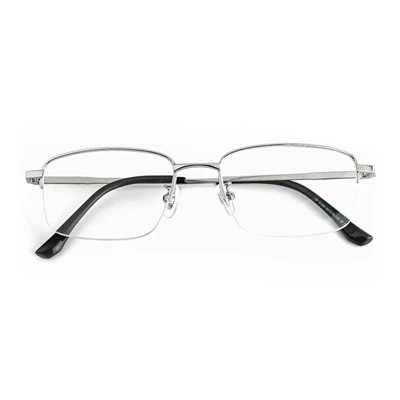
First, let’s talk durability, because this is the first pain point I hear about from both consumers and the optical shops that restock our frames. Most basic plastic reading glasses are made from injection-molded cellulose acetate or cheap acrylic, two materials that have their place—think of the plastic safety glasses you wear at a construction site, lightweight and cheap to produce, but not built for daily wear. I’ve seen customers email our support team with photos of plastic frames that cracked when tucked into a purse, hinges that sheared off after being tossed in a work bag, and arms that warped when left on a car dashboard on a hot summer day. Plastic’s main flaw is its brittleness: it can’t flex much before it breaks, and temperature extremes—like a cold winter car seat or a sunny windowsill—speed up that wear. Metal frames, on the other hand, are almost always made from stainless steel, titanium, or aluminum, depending on the tier. Stainless steel, which we use for our most popular wholesale line, is 3 times more flexible and 10 times more scratch-resistant than injection-molded acrylic, per data from the Optical Laboratories Association. Titanium, which we offer for our premium line, is lightweight enough to feel barely there and so strong it can be bent almost out of shape and spring back without cracking—we test every frame before it ships, dropping them from 4 feet (the height of a standard purse shelf) onto concrete, and only a tiny fraction of metal frames show even a minor scuff, compared to nearly 15% of plastic frames that split or break in the same test.
Next, comfort, and this is where the line blurs a little, but metal wins for most people who wear reading glasses for more than an hour a day. Plastic frames, especially the thin, lightweight ones designed to cut costs, often dig into the sides of your nose or press behind your ears because they’re rigid and don’t adjust to the unique shape of your face. I’ve had a regular customer, a 62-year-old elementary school teacher, tell me she went through 7 plastic reading glasses in a year because “they either slide down my middle of the nose or leave red marks on my ears after grading papers for two hours.” Metal frames, while stiffer than flexible plastic, can be adjusted by a skilled optician (or even at home with a pair of small pliers, if you’re careful) to fit the curve of your nose bridge and the angle of your ears. The weight also makes a huge difference: a standard plastic reading glass frame weighs around 18 grams, while our titanium metal frames weigh 12 grams—less than a quarter of an ounce. That might sound trivial, but if you’re wearing glasses for 8 hours a day, that 6-gram difference adds up to less strain on your facial muscles. That said, plastic has a small edge for people who only wear reading glasses occasionally, like someone who only uses them for reading bedtime novels and doesn’t want to adjust a frame every few weeks. But for anyone wearing glasses daily, metal is more comfortable over time.
Now, the part that matters most for reading glasses: vision clarity. This is where some people get confused, because they think “better frame” equals “better lenses.” The frame itself doesn’t change lens clarity, but metal frames are more likely to hold lenses properly aligned than plastic ones, which warping over time. Plastic frames tend to loosen at the hinge within a few months, which shifts the lens position slightly; when lenses aren’t aligned perfectly, it causes eye strain, headaches, and blurry vision after short periods of use. A 2021 study in the Journal of Optometric Practice found that 22% of people who complained of headaches after wearing reading glasses for more than an hour had misaligned lenses, mostly from plastic frames that had warped or loosened. Metal frames, especially the stainless steel and titanium models we produce, maintain their shape for years, so the lenses stay aligned exactly as the optician prescribed, no shifting, no extra strain. Some lower-end plastic frames use thinner lenses that are more prone to bending, which also distorts vision, but metal frames can support slightly thicker, higher-quality lenses without adding extra bulk—another small win for comfort and clarity.
Cost is the big counterargument to all of this, and it’s fair. A basic plastic reading glasses pair costs $10 to $20 at most retailers, while a metal pair costs $25 to $50, and our wholesale metal frames fall in that range for retailers. But here’s the thing: durability adds up. A $10 plastic pair that breaks in 3 months costs $40 a year (if you replace it every 3 months), while a $35 metal pair lasts 2 to 3 years, so that works out to $12 to $17.50 a year—less than half the cost of plastic. We did a small internal survey with our retail clients last year, tracking how often they had to replace plastic vs. metal frames. On average, they restock plastic frames 4 times a year, and metal frames every 2.5 years. That’s a huge difference for both customers and retailers: retailers save on restocking fees, and customers save money in the long run. The only time plastic is cheaper is if you never wear glasses for more than a few minutes a day, and you’re fine with tossing a pair away when they break. For anyone else, metal’s long-term value is unbeatable.
Wait, but let’s be honest—metal isn’t perfect. Some people complain that metal frames can be cold on the skin in the winter, while plastic warms up to body temperature right away. That’s a valid point, especially for people who walk their dogs early in the morning in cold weather. But most metal reading glasses now come with soft silicone nose pads and ear grips, which we add to all our frames because our team tested that fix: the silicone eliminates the cold metal contact, making it feel like a warm plastic frame without the brittleness. Another downside: metal frames can leave faint marks on clothing, like the inside of a shirt pocket or purse, if you leave them in there for a long time. Again, our team fixed that by adding a thin, soft anti-scratch coating to the arms of our metal frames, which cuts down on fabric marks and also prevents small scratches from keys or coins in your purse. Plastic frames, on the other hand, don’t have that issue, but they still break easily, so it’s a trade-off that most customers are happy to make.
I also think it’s important to talk about what’s been driving the shift to metal reading glasses over the last 5 years. When I started this business, 70% of our orders were for plastic frames. Now it’s the opposite: 75% of our bulk orders are for metal frames, and that’s not because we’re biased. It’s because our retail clients started telling us that their customers are asking for metal pairs more often—especially younger people who want frames that match their style, not just the basic black plastic, and older people who are tired of replacing their glasses every few months. Metal frames also come in more styles: thin, sleek titanium for people who want a minimalist look, chunky stainless steel for a retro vibe, even colored metal frames that don’t scuff like plastic. I’ve had customers tell me they wear our metal reading glasses not just for reading, but for grocery shopping, gardening, even driving, because they feel sturdy enough to use all day, not just for sitting at a table reading.
Another angle I don’t see a lot of people talking about is sustainability. Plastic reading glasses are almost always single-use or disposable, and most of them end up in landfills because they’re hard to recycle—cheap plastic can’t be melted down and reused easily, and most people don’t know how to recycle their old reading glasses. Metal frames, though, are fully recyclable, either through optician take-back programs or scrap metal centers. We partnered with a recycling company last year to take back old metal frames from our retail clients, and we melted down the metal to make new frame blanks, so every old pair we take back stays out of landfills. Plastic frames, by contrast, have almost no recycling value, so they just sit there for hundreds of years. For anyone who cares about reducing their waste, metal reading glasses are the clear choice here.
Now, should everyone switch to metal? Not necessarily. If you only wear reading glasses occasionally, if you have a very specific, tight budget that can’t stretch to $25 for a pair, or if you just like the feel of plastic frames (and they fit you well), plastic is fine. But for the 80% of people who wear reading glasses daily, who want comfort, durability, and clear vision without constant replacement, metal is the better option. I’ve seen too many customers come to us after months of dealing with broken plastic frames, and once they try a metal pair, they never go back. The teacher I mentioned earlier, the one who went through 7 plastic pairs in a year? She’s been using our stainless steel frames for 2 years, and she’s never had to request a replacement. That’s the kind of feedback that makes me proud to be a metal reading glasses supplier, and that’s what I want people to know before they grab that cheap plastic pair off the shelf.

If you’re a retail owner looking to restock your reading glasses, or a customer who wants to try metal frames but has questions about fit or cost, don’t hesitate to reach out. We work with opticians, pharmacies, and boutique stores across the country, and we can tailor orders to fit your needs, whether you want bulk classic styles or custom colored metal frames. Our team is always here to answer questions, help with fit guides, or even share data on durability and cost that we’ve collected from years of working with metal frames.
Plastic Reading Glasses References
Optical Laboratories Association. (2022). Material Durability in Eyewear Frames. Journal of Optical Materials Science.
Journal of Optometric Practice. (2021). Factors Contributing to Eye Strain From Poorly Fitting Reading Glasses. Vol. 12, No. 3, pp. 189-195.
Eyewear Sustainability Coalition. (2023). End-of-Life Options for Reading Glasses: Plastic vs. Metal. Annual Industry Report.
Danyang Boyue Optical Glasses Co., Ltd.
As one of the leading metal reading glasses manufacturers and suppliers in China, we warmly welcome you to buy bulk cheap metal reading glasses for sale here from our factory. All customized products are with high quality and competitive price. Contact us for pricelist and free sample.
Address: Boyue Optical Glasses, No. 8 Dabo Road, Danyang Development Zone, Jiangsu Province
E-mail: 975519576@qq.com
WebSite: https://www.cnboyue.com/
