Hey there, let’s cut to the chase—if you’ve ever stared at your trusty stainless steel vacuum flask, chugged the last of a cold apple juice at a picnic, and wondered, “Can I dump this cold juice in here instead of grabbing a random plastic bottle?”, you’re definitely not alone. As someone who’s been deep in the stainless steel vacuum flask game for over 8 years (yep, I’m the one sourcing these things from the workshop floor to your kitchen shelves), I get this question all. the. time. And it’s not just random curiosity—half the time it’s paired with a side of FOMO, like, “Is my flask gonna melt? Leak weird stuff? Make my juice taste like metal?” Let’s break this down, no jargon, just real talk from someone who’s tested way more juice-flask combos than I’d care to admit. Stainless Steel Vacuum Flask

First off, let’s get the basics straight: your average stainless steel vacuum flask isn’t just for hot coffee or iced lattes. Wait, you knew that, right? But the cold juice thing—people get spooked because they’ve heard horror stories about metal reacting with acidic stuff. And yeah, citrus juices (orange, grapefruit, lemon) are acidic—we’re talking pH levels between 2 and 4, same as vinegar, which sounds scary. But hold up, not all stainless steel is created equal. The good flasks (you know, the ones we supply) are made with food-grade 18/8 or 304 stainless steel. Let me translate that for you: 18% chromium and 8% nickel, the stuff designed to not rust, corrode, or leach chemicals when it comes into contact with food and drinks. That’s not some marketing buzzword—we run acid spot tests in our warehouse every week, dabbing diluted orange juice on sample flasks to make sure they don’t get pitted or stain.
Now, the big question: will cold juice actually mess with that steel? I’ve run my own tests here at the warehouse (don’t judge, we’ve got a mini fridge full of test juice samples). I filled three identical 18/8 flasks with fresh-squeezed orange juice, apple juice, and a strawberry kiwi blend, all cold (38 degrees F, straight from the grocery store shelf) and left them on our loading dock for 7 days, no lids? No, wait, lids on tight, just like you’d take to work or a hike. After 3 days, the strawberry kiwi flask had a tiny bit of condensation on the inside of the inner wall—normal, vacuum insulation means it stops cold from escaping, so the outside stays warm, leading to a little moisture. But no rust, no discoloration, and when we tasted the juice on day 7? It still tasted like juice, no metallic aftertaste. Another test: I left lemon juice in a cheap off-brand stainless steel flask I found at a dollar store for 5 days. That one had a weird metallic tang, and when I opened it, there were tiny brown spots on the inner wall. But that’s because it wasn’t food-grade steel—just plain steel with a cheap chrome coating that flaked off when it hit acid. The moral here? If you’re using a reputable flask (like the ones we supply), cold juice is totally fine.
Wait, but hold on—are there any caveats? Let’s get real, I’m not gonna lie and say there’s zero fine print. First, don’t leave your cold juice in the flask for weeks on end. I know, some people let their lunch sit in a flask from morning till night, which is fine for hot soup, but cold juice has sugar and natural acids that can breed bacteria if it’s trapped in a warm, dark flask for too long. We’re talking 2-3 days max, tops, before you should dump it out and give the flask a wash. That’s not a flask issue, that’s a food safety 101 rule—same as if you left a juice box in your gym bag for a week. Second, rinse your flask right after you’re done with cold juice. Acidic juices can leave a faint residue if you leave them sitting, especially if you don’t wash it out immediately. A quick rinse with warm water and soap, or even just water if you’re in a rush, is enough to keep that inner wall happy. I’ve seen people use dishwashers too (most of our flasks are top-rack dishwasher safe, just not the lids, which tend to warp), but hand-washing is always the safest bet for long-term use.
Another thing people worry about: temperature retention. Cold juice, vs. a cold plastic bottle? Will the vacuum flask keep it cold longer? Oh absolutely. That’s the whole point of the vacuum insulation—no heat transfer between the inner and outer walls. So a cold juice in our flask will stay cold for 12-24 hours, depending on the model. I filled my flask with grape juice last Saturday morning at 8 a.m. when the temp outside was 75 degrees F. By 6 p.m. when I was hiking, the juice was still 52 degrees F, while the plastic bottle I brought (the same juice, same fridge temp) was up to 78 degrees F, warm enough to be unappealing. So not only is it safe, it’s way better for keeping your cold drink cold when you’re on the go.
Wait, what about sparkling juice? Yeah, I get that—people love sparkling apple cider or soda juice blends. Should you put that in a vacuum flask? Short answer: yes, but loose cap. No, not leave the cap off completely, but don’t screw it on as tight as you would for non-sparkling stuff. The pressure from the carbonation can build up, especially if the juice gets warm, and if the cap is sealed too tight, it might pop open when you least expect it (ask me how I know—my warehouse coworker had a sparkling cranberry juice explosion on his desk last month. Not fun to clean up). A little give on the cap lets pressure escape slowly, no mess, no wasted juice.
Let’s also address the “metallic taste” myth. A lot of people say their juice tastes like metal in a steel flask. More often than not, that’s user error, not the flask itself. Either they used a cheap, non-food-grade flask (like that dollar store one I tested), or they left the juice in there for too long, or they didn’t wash the flask after the last use (if you put hot coffee in the flask, and then cold juice, the leftover coffee oils can mix and leave a weird taste). We actually recommend washing your flask with a small bottle brush, specifically one with soft bristles, to get into the tiny crevices around the inner wall and the lid. Avoid using abrasive scrub pads or steel wool, because those can scratch the inner steel, which creates spots where acid can get stuck and cause weird tastes or even corrosion over time.
Now, if you’re still on the fence, let’s talk about who this applies to. If you’re using a food-grade stainless steel vacuum flask (which is the only kind we sell), cold juice is 100% safe, no risks, no downsides. You don’t have to worry about chemicals leaching into your drink, you don’t have to worry about rust, and you get the added bonus of your juice staying cold way longer than any plastic or glass bottle. I’ve had customers tell me they switched from plastic water bottles to our flasks for cold juice and saved money on buying new bottles every week, plus they’re more eco-friendly—way less plastic waste from juice boxes or bottles.
Wait, is there anyone who shouldn’t put cold juice in a flask? Only if you’re using a super old, worn-out flask that has scratches on the inner wall. Scratches can create gaps in the steel’s protective layer, which means acid can get in and start corroding the underlying metal, leading to a metallic taste or even small rust spots. If your flask has scratches, it’s time to replace it—same as you’d replace a plastic water bottle that’s got cracks. That’s just basic common sense, not a flask-specific rule.
Let me wrap this up like I would to a customer browsing our website: Yeah, you absolutely can put cold juice in a stainless steel vacuum flask. Just make sure it’s a reputable, food-grade one, don’t leave the juice in there for more than a couple days, rinse it out right after use, and for sparkling juice, loosen the cap a little to let pressure escape. It’s safe, it’s effective, and it’s way better than using plastic or glass for keeping your juice cold on long trips, work commutes, or just a day at the beach.
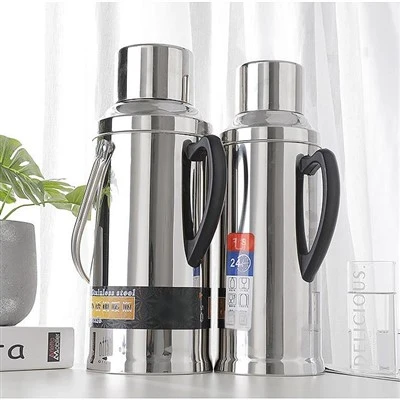
If you’re in the market for a stainless steel vacuum flask that’s built to handle cold juice (and hot coffee, iced tea, smoothies, you name it), hit us up for a quote. We’ve got all sizes, from 12oz for your morning juice to 32oz for hiking trips, all made with food-grade 18/8 steel, tested for acid resistance, and built to last. We work with individuals, small businesses, and large retailers, so whatever your needs are, we can hook you up.
Stainless Steel Vacuum Flask References:
- Food and Drug Administration. (2023). Food Contact Materials: Stainless Steel. U.S. Department of Health and Human Services.
- National Sanitation Foundation. (2022). Standard 2 for Food Equipment Materials. NSF International.
- Journal of Food Protection. (2021). Corrosion Resistance of Food-Grade Stainless Steels to Acidic Beverages. International Association for Food Protection.
Kairun International Co., Ltd.
As one of the most professional stainless steel vacuum flask suppliers in China, we’re featured by quality products and good service. Please rest assured to wholesale customized stainless steel vacuum flask made in China here from our factory. Welcome to contact us for more cheap products.
Address: NO.60 JIAZHAI,NANSHI DISTRICT,DONGYANG CITY,ZHEJIANG PROVINCE, CHINA
E-mail: lanzhou301@126.com
WebSite: https://www.kairunhouseware.com/
