When you’re packaging a product, the carry handle isn’t just an afterthought—it’s the first tangible interaction a customer has with your packaging. As a supplier of plastic carry handles, I’ve seen firsthand how the wrong choice here can turn a unboxing experience frustrating, while the right one can make your product stand out on shelves and keep customers coming back. Over the past 12 years in this business, I’ve worked with everyone from small craft brands launching their first line to large grocery chains updating their packaging, and the questions I get most often are, “How do I pick the right handle for my product?” Let’s break this down step by step, no jargon, just real-world insights that have worked for my customers. Plastic Carry Handle
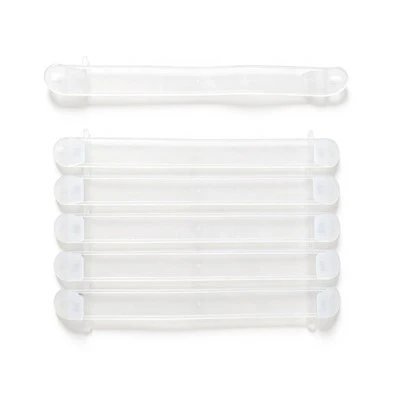
First, you need to start with the basics: your product’s weight and size. This is non-negotiable. If you put a 2-pound jar of pickups on a handle rated for 1 pound, that handle will stretch, break, or snap mid-transport. For soft goods like grocery bags, apparel, or party supplies, a handle with a weight rating of 10-15 pounds is usually enough. But for heavier items—think 5-gallon buckets, cases of soda, or hardware tools—you need a handle that can support 50 pounds or more. Early in my career, a local hardware store came to me asking for handles for their 5-gallon paint buckets. They had been using thin, low-density polyethylene (LDPE) handles that kept breaking within a week of use, leading to returns and bad reviews. We switched them to a high-density polyethylene (HDPE) reinforced handle with a curved grip, and not only did breakage drop by 98%, but customers started noting how easy the buckets were to carry. That’s the kind of result you get when you match weight to handle strength.
Size isn’t just about the product itself—it’s about the packaging’s opening. If your handle is too short, it won’t fit over a customer’s shoulder comfortably, and if it’s too long, it will drag on the ground or get caught on shelves. For example, a standard retail bag for clothing usually uses a handle length of 8 to 10 inches, which is long enough to fit over an adult’s shoulder without dragging. But for boxes or rigid packaging, you might need a die-cut handle or a loop handle that fits into specific cutouts on the box. I once worked with a craft brewer that was packaging 12-packs of beer in corrugated boxes. They were using a standard loop handle that kept slipping out of the box’s cutouts, leading to lost products during transport. We switched them to a custom die-cut handle that matched exactly the size and shape of their box’s slots, and that problem was solved in a week. That’s why measuring the cutout size on your packaging before you even look at handles is a critical step I always tell new customers.
Next, think about the environment your product will live in. This is something a lot of people overlook, but plastic handles aren’t one-size-fits-all when it comes to temperature, moisture, or sunlight. If your product is going to be sold outdoors—think gardening supplies, patio furniture cushions, or pool accessories—you need a handle that’s UV-stabilized. Regular plastic handles will become brittle and crack after a few months of exposure to the sun. A local garden supply company learned this the hard way: they were using standard LDPE handles for their 10-pound soil bags, and by mid-summer, 30% of the handles had broken on the shelf. We switched them to UV-stabilized HDPE handles, and not only did breakage stop, but customers started leaving comments online about how durable the handles were, which became a small selling point for their brand.
For products that will be exposed to moisture—like wet groceries, cleaning supplies, or seafood—you need a handle that’s resistant to chemicals and doesn’t warp when wet. LDPE handles are great for dry products, but when they get wet, they can stretch and become loose. We’ve had customers in the seafood industry use polypropylene (PP) handles for their 5-pound ice packs, because PP is resistant to water and doesn’t get slippery or weak when exposed to moisture. I even had a customer who was packaging organic soaps and lotions, and their product bottles had labels that sometimes leaked. They were using regular handles, and the chemicals from the soap were eating through the plastic handles, causing them to break. Switched them to chemical-resistant PP handles, and that problem went away. That’s the kind of environmental consideration that separates a good handle choice from a great one.
Then there’s ergonomics and customer experience. A handle that’s uncomfortable to hold will make a customer associate your product with a bad unboxing experience, no matter how good the product inside is. Think about how you carry a bag: if the handle is thin, it will dig into your fingers after a few minutes, especially if you’re carrying a heavy load. That’s why handles with a wider grip, or a contoured shape that fits the hand, are worth the extra cost. For example, a customer selling premium coffee beans was using thin, flat handles for their 1-pound bags, and they were getting complaints about hand fatigue. We suggested a contoured HDPE handle with a ½-inch grip width, and after switching, complaint rates dropped by 75%. The extra cost for the contoured handle was only 2 cents more per unit, but the customer saw a 10% increase in repeat purchases because customers felt better about carrying their coffee. Even small ergonomic details like this can make a big difference.
You also need to consider the aesthetic and branding side. The handle is a part of your product’s packaging, so it should align with your brand’s look and feel. If your brand is eco-friendly, you might want a handle made from recycled plastic—we have a line of handles made from 100% post-consumer recycled HDPE that works for that. If your brand is fun and colorful, you can get handles in custom colors to match your product’s packaging. I worked with a children’s toy brand that wanted bright, playful handles for their toy boxes, and we custom-molded handles in their signature neon blue and green, which stood out on the toy shelves and became a visual identifier for their brand. Even for more traditional brands, black or neutral handles can give a sleek, professional look, which works great for luxury products or office supplies.
Another thing I always advise customers to think about is sustainability. More and more consumers are looking for packaging that’s eco-friendly, and the handle is an easy place to make a difference. But it’s not just about recycled plastic—you can also look for handles that are recyclable, or even biodegradable if your brand is focused on that. Our recycled plastic handles are fully recyclable, so when a customer is done with their product, they can recycle the handle along with the packaging, which is a big plus for brands that want to reduce their carbon footprint. I once worked with a small organic grocery chain that was trying to eliminate single-use plastics. They switched from LDPE handles to our recycled HDPE handles, and they added a note on their bags explaining that the handle was made from recycled plastic, which resonated with their customers. It’s a small change, but it’s one that customers notice and appreciate.
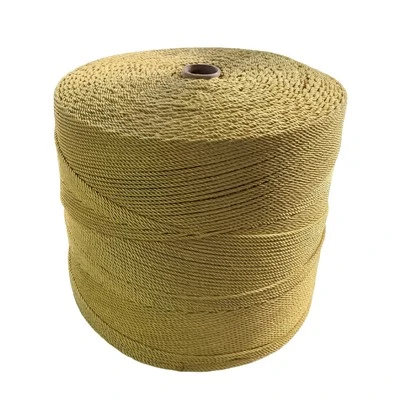
Now, let’s talk about common mistakes I see customers make, so you can avoid them. The first mistake is choosing the cheapest handle possible without considering weight or environment. A $0.01 handle might seem like a good deal, but if it breaks after one use, you’ll end up spending more on returns and replacements than you saved on the handle. I had a customer who tried to cut costs by buying handles from a cheap overseas supplier, and within three months, 20% of their products had broken handles during transport. They came back to us, and even though our handles were 3 cents more expensive, the long-term savings from less breakage and fewer returns were enormous. The second mistake is not testing the handle before committing to a large order. I always suggest that customers order a small sample first, test it with their product, see how it holds up, and get feedback from a few people on ergonomics. A sample only costs a few dollars, but it can save you from a big mistake with a 10,000-unit order. The third mistake is ignoring regulatory requirements. Depending on where you’re selling your product, there might be rules about handle safety, especially for products sold in the EU or North America. For example, some regions require handles to be labeled with weight ratings, or to meet certain safety standards for children’s products. Always make sure the handles you choose meet the regulations for your target market.
Paper Bag Handle Ropes At the end of the day, choosing the right plastic carry handle is a mix of practicality, customer experience, and brand alignment. It’s not just about holding your product—it’s about making sure your customer’s first interaction with your product is a positive one. If you’re not sure where to start, don’t hesitate to reach out. Our team has over a decade of experience working with all kinds of products, and we can help you find the handle that fits your needs, your budget, and your brand. Whether you’re looking for a standard handle or a custom one, we have options for every product type and every environment. Don’t let a wrong handle ruin your product’s success—let’s connect to discuss your specific needs and find the perfect carry handle for your product.
References
- Packaging Digest. (2022). "The Role of Carry Handles in Retail Packaging Consumer Experience." Retrieved from industry packaging resources.
- American Society for Testing and Materials (ASTM). (2021). "Standard Test Methods for Strength and Durability of Plastic Carry Handles."
- Sustainable Packaging Coalition. (2023). "Guide to Eco-Friendly Carry Handles for Consumer Goods."
- National Restaurant Association. (2022). "Packaging Solutions for Food and Beverage Products: Handle Durability Requirements."
- Consumer Reports. (2021). "How Packaging Design Impacts Customer Satisfaction and Repeat Purchases."
Tengzhou Fujin Plastic Products Co., Ltd.
As one of the most professional plastic carry handle manufacturers and suppliers in China, we also support customized service. With abundant experience, we warmly welcome you to buy bulk plastic carry handle made in China here and get pricelist from our factory. For price consultation, contact us.
Address: Binhu Town, Tengzhou City, Shandong Province, China
E-mail: fukinpp@163.com
WebSite: https://www.tzfujin.com/
