Hey there, if you’ve been researching heating and cooling upgrades for your home, you’ve probably heard a ton of hype about heat pumps right now. I’m gonna level with you— I run a heat pump supply business, so I get why everyone’s obsessed with them: they’re way more energy-efficient than old gas furnaces or baseboard heaters, they do both heating and cooling, and they’re a big step toward cutting your carbon footprint. But here’s the thing— I don’t wanna sell you something without being totally honest about the downsides, because that’s how you make a decision that works for your place and your wallet. No fluff, no sales pitch tricks, just the real stuff I see every day when folks reach out to buy from us. Heat Pump
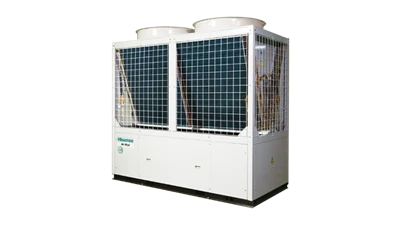
First off, let’s talk about the cold weather problem— this one’s the biggest head-scratcher for most of our customers, especially if you live in a place that drops below freezing consistently, like the Upper Midwest or parts of Canada that I work with. A lot of people don’t realize that standard air-source heat pumps (that’s the most common type we supply) pull heat from the outside air, right? When it’s really cold, like 30 degrees Fahrenheit or lower, the unit has to work way harder to grab that heat. Some entry-level models will actually switch over to emergency electric resistance heat, which is basically just a big space heater— super inefficient, uses way more juice, and can kill your energy bills. Last winter, a customer from northern Minnesota called me panicking because his $150 electric bill jumped to $650 in January, and it turned out his cheap heat pump was kicking on the resistance heat every time it got below 25 degrees.
Wait, but don’t get me wrong— we do sell cold-climate heat pumps that fix this, right? They have better compressors that can keep working down to -15 or even -20 degrees, but they’re pricier. That’s a key point: if you’re in a mild area like the Pacific Northwest, a standard model works fine, but if you’re in a cold spot, you’re either paying more upfront for the right unit, or you’re stuck with higher operating costs when it’s frigid. That’s a tradeoff a lot of first-time buyers don’t plan for.
Next up, upfront costs. I know, I know— everyone says heat pumps save you money long-term, and they do, but the initial price tag is no joke. Let’s break it down: a standard central air-source heat pump for an average 1,500 sq ft home costs around $7,000 to $12,000 total— that includes the unit, installation, permits, and any electrical upgrades if your panel’s old. Compare that to a new gas furnace, which is usually $3,000 to $6,000 installed, and it’s a big gap. A lot of folks don’t factor in the electrical work: if your home’s electrical panel can’t handle the heat pump’s demand, you might need a $1,500 to $3,000 upgrade too. I get excited about these units, but I tell customers to budget for the hidden costs because way too many get sticker shock when they get the final quote.
Then there’s the noise factor. I’ve had more than one customer tell me they didn’t realize the outdoor unit is way louder than their old gas furnace. Like, it’s not a jet engine, but it’s definitely noticeable— it hums, it clicks when it switches cycles, and sometimes it vibrates enough that it makes a low thud you can hear through the walls. If your outdoor unit is within 10 feet of a bedroom window or a patio, that can be a pain. We always offer quiet versions for people who care about that, but again, they cost more. A few months back, a guy in a townhome called us because his HOA rejected the standard unit he bought online— it was too loud for the neighborhood rules, and he had to swap it for a quieter, pricier one through us. Lesson there: don’t sleep on noise when you’re picking out your unit.
Wait, let’s not forget about compatibility with older homes. If you have an old duct system— like, if your home has been around since the 1950s and the ducts are leaky, too small, or made of metal that’s all corroded— a heat pump won’t work as well. Heat pumps need good, sealed ducts to move the warm and cool air around efficiently. If your ducts are leaky, you could lose 20% or more of the conditioned air, which means your energy savings get cut way down. We always offer duct sealing or duct replacement services, but that’s another add-on cost. I had a customer last year who spent $8,500 on a heat pump, only to realize his ducts were leaking so bad he had to spend another $2,000 to fix them, so his actual savings were half of what he’d planned. It’s not a dealbreaker, but it’s something you have to check before you buy.
Another big one: maintenance. A lot of people think heat pumps are set-it-and-forget-it, but they actually need more regular upkeep than some old furnaces. You’ve got to clean the outdoor coil every spring and fall, replace the air filter every 1 to 3 months (depending on how dusty your area is), check the refrigerant levels, and have a technician do a full tune-up once a year. If you skip that stuff, the unit will break down faster, use more energy, and you’ll end up with costly repairs. I’ve seen customers who bought cheap heat pumps online and then tried to do the maintenance themselves, and they ended up messing up the compressor— which is the most expensive part to replace. Compare that to a gas furnace, which only needs a tune-up once a year and usually doesn’t require as much filter changes. Our team always reminds customers that if you’re not up for regular maintenance, you might want to budget for a service plan through us, which is an extra $200 to $300 a year, but it’s worth it to keep your unit running.
And let’s talk about cooling gaps? Wait, no— heat pumps actually do cooling great, but in super humid climates, sometimes they can’t keep up. If you live in Florida or the Gulf Coast, where the humidity is through the roof, a standard heat pump will dehumidify the air a bit, but not as well as a dedicated air conditioner. Some folks complain that their home feels muggy even when the heat pump is running. We sell dual-fuel systems for humid areas, which pair a heat pump with a gas AC unit, but again, that’s more expensive upfront. It’s not a dealbreaker, but it’s something to consider if you’re in a really humid spot— your comfort might not be exactly what you’re used to with a regular AC.
Wait, also, supply chain issues? I’m in the business, so I know this is still a thing. Even after the worst of the pandemic, lead times for heat pumps can be 8 to 12 weeks, sometimes longer if you want a high-efficiency model. I’ve had customers wait 4 months for their unit, which is a problem if their old furnace dies in the middle of a cold snap. We try to keep a good stock of popular models, but if you’re going for a specialty cold-climate or quiet unit, you might have to wait. That’s frustrating, especially if you’re in an emergency situation.
Now, let’s get real— I don’t wanna just list negatives without balancing it out, right? Heat pumps are still way better than most traditional heating and cooling systems. Over 15 to 20 years, they’ll save you thousands on energy bills, they’re way more eco-friendly, and they’re reliable when you pick the right model for your climate. But here’s the thing: the downsides are real, and they’re not one-size-fits-all. A heat pump that works perfect for your neighbor in Texas might be a headache for your cousin in Minnesota.
So, if you’re thinking about making the switch, what should you do? First, figure out your climate— that’s the biggest factor. If you’re in a place with mild winters, a standard model is probably fine. If it’s super cold, you need a cold-climate unit. Second, get a pro to check your duct system and electrical panel— don’t guess, because hidden costs add up fast. Third, budget for maintenance and service plans, because a little upkeep goes a long way. And if you’re not sure which unit fits your needs, hit us up to chat— we don’t pressure sales, we just walk you through the options that make sense for your home.
Wait, that’s the part I wanted to lead into— if you’ve got questions about models, lead times, or costs, just reach out. We’re here to help you make a smart choice, not just make a sale. No weird hoops, no hidden fees, just straight talk about heat pumps— good and bad.
Commercial Dehumidifier References:
- U.S. Department of Energy. (2024). Heat Pumps: Disadvantages and Considerations. Energy.gov.
- International Energy Agency. (2023). The Role of Heat Pumps in Space Heating Efficiency. IEA Reports.
- Consumer Reports. (2024). Heat Pump Buying Guide: Costs, Noise, and Climate Suitability. Consumer Reports.
- Air Conditioning, Heating, and Refrigeration Institute. (2023). Heat Pump Maintenance Requirements. AHRI Standards.
- National Renewable Energy Laboratory. (2024). Cold-Climate Heat Pump Performance in Extreme Temperatures. NREL Publications.
Hangzhou Dayu HVAC Engineering Co., Ltd.
Address: Room 1004, Building 1, Xicheng Business Tower, Xihu District, Hangzhou City, Zhejiang Province, China
E-mail: info@hi-hvac.com
WebSite: https://www.hi-hvac.com/
