Hey guys, it’s Jake from the trough cable tray team—you know, the folks that help industrial, commercial, and even big residential projects keep their wiring sorted, safe, and out of trouble. I get asked this question all the time, and lately it’s been non-stop: “Can a trough cable tray actually work in a dusty environment?” I don’t blame you for asking—dust isn’t just a messy nuisance, right? It can cause overheating, short circuits, even fire hazards if it gets bad enough. So today, I’m breaking this down like I would over a coffee with a regular at the shop—no stuffy industry jargon, just real answers based on what we’ve seen in the field, what our engineers test, and the projects we’ve supported over the last 10+ years. Let’s cut to the chase. Trough Cable Tray

First, let’s get one thing straight: not all trough cable trays are created equal when it comes to dust. A lot of new customers come in thinking, “It’s a metal box for wires—how hard can it be?” But if you’ve ever seen a standard open-frame cable tray in a sawmill, construction site, or even a old HVAC room that hasn’t been cleaned in a minute, you know what happens. Dust seeps into every gap, clogs the gaps between cables, and over time, that fine particulate builds up. For low-voltage stuff like data lines or a small HVAC circuit, it might be a minor annoyance, but for heavy power lines, high-voltage systems, or explosive environments (think grain silos, fertilizer factories, or mining sites), that dust isn’t just dirty—it’s a potential disaster. That’s where the type of trough cable tray you pick, and how it’s installed, makes all the difference.
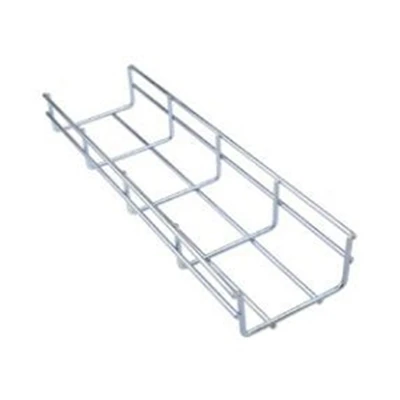
Let’s start with the basics: what makes a trough cable tray good (or bad) for dusty spaces. The core of a standard trough tray is a long, open-topped metal channel—usually galvanized steel, aluminum, or even stainless steel for heavy-duty use. The open top is why it’s easy to run cables through, but it’s also the #1 spot where dust gets in. Now, our engineers didn’t just design trays for indoor offices where cleaning crews dust once a month. We’ve built trays for places that get thick dust—places where a dust layer an inch and a half thick isn’t unusual. So what did they change? First, we added a secure, removable lid to our heavy-duty trough trays. Wait, before you groan that lids are a hassle—no, these aren’t the flimsy ones that fall off when you bump them. They clip or bolt on tight, so unless you’re intentionally taking them off, that lid is sealed against airborne dust, debris, even small critters (another win for dusty sites, since bugs love nesting in loose wiring). But it’s not just the lid—we also rounded the edges of the channel, so dust can’t get stuck in sharp corners. We added small drainage holes at the bottom, too, because even with a lid, a little dust might sneak in, and if it gets wet (from condensation, say, in a dusty warehouse), you don’t want it turning into a muddy, conductive gunk that shorts out your wires.
Now, let’s talk about how dust behaves in these environments, because I’ve seen projects go south for not understanding this. Fine dust particles—like silica dust from construction, wood dust from sawmills, or even cement dust—are tiny, like 1 to 10 microns small. That’s smaller than a grain of pollen, so it can drift through almost any small gap if there’s air flow (which there always is, in industrial spaces). If your trough tray has gaps between the sections, or loose connections where the lid doesn’t sit right, that dust will get in. And here’s the big problem: if that dust is conductive, that’s when you have to panic. Metal dust (like from grinding operations), carbon dust, or even dust from some chemicals can carry electricity. When that builds up between two adjacent cables in the tray, it creates a path for current to jump—boom, short circuit. That’s why we don’t recommend standard open-top trays for any dusty environment that runs heavy power, but for light-duty stuff like low-voltage sensors, you could get away with it… if you commit to cleaning it weekly. Trust me, I’ve been on a site where they used open trays in a wood shop, and by month three, the dust build-up was so thick they could barely pull the cables out—cost them $12k in downtime just for cleaning.
So what’s the right setup for dusty environments, based on what we’ve actually installed? Let’s break it down by use case, because one size doesn’t fit all.
First, light-duty dusty environments: think a small workshop, a library with dusty old bookshelves, or a garage where you work on cars. Here, you don’t need the super heavy-duty tray—our standard galvanized steel trough with a snap-on lid works great. The snap-on is quick to remove if you need to pull a cable, but it seals tight enough to keep most dust out. Just schedule monthly cleaning (or every two weeks if the dust is really bad) and you’re golden. We had a customer in a small cabinet shop in Portland use these last year, and they told us their tray only needed cleaning twice in 12 months, compared to the open trays they had before that needed cleaning every week. That’s a game-changer for their maintenance team.
Then there’s medium to heavy-duty dusty environments: sawmills, construction sites, grain elevators, HVAC facilities with lots of particulate. For these, we always recommend our heavy-duty trough tray with a bolted, gasketed lid. The gasket is key here—it’s a rubber or foam seal that runs along the edge of the lid, so when you bolt it down, there’s almost zero air gap. That stops dust from seeping through, even in high-wind, high-dust areas. We installed these at a grain elevator in Iowa two years ago, and their maintenance team hasn’t had a single dust-related wiring issue. They can even hose the tray down (which they do quarterly) and the drainage holes at the bottom make sure no water or dust gets trapped. Plus, stainless steel options are available here too, if you’re dealing with dust that’s acidic (like fertilizer dust from a farm supply site)—galvanized steel would rust over time, but stainless holds up.
Wait, but what about those really, really dusty environments? The explosive ones—grain silos, chemical plants, mining sites where coal dust is flying around. The NFPA (National Fire Protection Association) has specific standards for these, and we design our explosion-safe trough trays to meet those. These aren’t just trays with lids—they’re tested to not create sparks if there’s a small dust build-up, and the lid is sealed so tight that it prevents dust from entering and building up to explosive levels. We had a mine in West Virginia upgrade to these two years ago after a dust-related near-miss, and they said their safety inspectors haven’t flagged a single issue since. That’s the stuff you don’t cut corners on, by the way—explosive dust environments aren’t a joke, and standard trays just won’t cut it.
Now, here’s the part no one talks about enough: installation practices that make a huge difference in dusty spaces. Even the best tray will fail if you install it wrong. First, you never want to mount the tray horizontally where dust can pool on top of an unsealed lid—angle it slightly (1 to 2 degrees is enough) so any stray dust slides off. Second, leave about an inch of space between the top of the lid and the ceiling or wall, so air can circulate and any small dust that does get in can settle, instead of being pushed into the tray by wind or machinery. Third, seal all the end caps and section joins—even if you have a lid, if you leave the end open, dust will pile in. We supply custom end caps for exactly this reason, and we always tell our customers to use them.
I also get asked all the time: “Can I just use a different kind of tray? Like ladder tray or cable raceway?” Let’s be real—ladder tray is open, so dust will get in way faster, and it’s harder to clean. Cable raceway is small, so if you need to expand your wiring later, you’re stuck. Trough cable tray is the sweet spot—you get the enclosed protection for dust, plus the flexibility to add or remove cables when you need to. We’ve had customers switch from ladder tray to our trough trays in dusty environments and cut their maintenance time by 70%, that’s not an exaggeration.
Now, let’s address some common myths I hear, because I hate when customers make decisions based on bad info. Myth #1: “Dust just settles on the lid, so it doesn’t matter.” Wrong—if the lid isn’t sealed, dust will get in through gaps, and when the lid is removed for maintenance, all that settled dust falls into the tray. We always tell customers to clean the lid outside the tray, or use a small vacuum on low suction to remove dust without kicking it up. Myth #2: “Galvanized steel is enough for all dust.” No—acidic dust (like fertilizer, some industrial chemicals) will eat through galvanization over time, so you need stainless steel or powder-coated aluminum. We can powder-coat our trays in heavy-duty epoxy for extra corrosion resistance, too, which is perfect for dusty sites where chemicals might be present. Myth #3: “I don’t need a lid at all, I just clean regularly.” For light duty, maybe, but if you have 100+ cables in a tray, pulling them out every week to clean is a huge waste of time and money. A lid costs a few dollars per foot, and saves you thousands in downtime.
So, back to the original question: can a trough cable tray be used in a dusty environment? The short answer is yes—as long as you pick the right type, and install it correctly. The not-so-short answer is that it’s not a one-size-fits-all, but with the right setup, it’s actually one of the best options for dusty spaces, way better than open trays or raceways.
Now, if you’re in the middle of planning a project, or dealing with a dust-related issue right now, don’t guess at what you need. The team here has been helping folks pick the right trough tray for dusty sites for over a decade—we’ve seen it all, from small cabinet shops to massive mining operations. We can walk you through the specs, help you figure out if you need a lid, drainage holes, stainless steel, or even explosion-safe design, no pressure, no sales pitches that feel pushy. Just shoot us a message or give us a call, and we’ll work with you to get the right setup for your space. Don’t let dust mess up your wiring or your project—let’s get this sorted.
Trough Cable Tray References:
- National Fire Protection Association (NFPA) 70, National Electrical Code (NEC), Article 392 – Cable Tray Systems
- Occupational Safety and Health Administration (OSHA) Standard 1910.305 – Electrical Wiring Methods, Components, and Equipment for General Use
- Industrial Dust Control Handbook, National Institute for Occupational Safety and Health (NIOSH)
- Trough Cable Tray Design Guidelines, Society of Fire Protection Engineers (SFPE)
Hebei Jinglang Industrial Co., Ltd.
As one of the most professional trough cable tray manufacturers and suppliers in China, we also support customized service. We warmly welcome you to wholesale high quality trough cable tray in stock here from our factory. If you have any enquiry about quotation, please feel free to email us.
Address: Nanxinzhuang Village, Daweihe Hui and Manchu Township, Wen’an County, Langfang City, Hebei Province
E-mail: 18231629992@163.com
WebSite: https://www.jinglangcabletray.com/
