If you’ve ever grabbed a pack of water bottles, a pallet of canned goods, or a stack of board games off a store shelf, you’ve interacted with PE shrink film—probably without giving much thought to one of its most defining traits: transparency. As a PE shrink film supplier, I get asked about this all the time, and it’s way more than just a visual quirk. Transparency here isn’t just “how clear is the film” — it’s a mix of material science, manufacturing choices, and real-world performance that matters for everything from retail displays to industrial shipping. PE Shrink Film
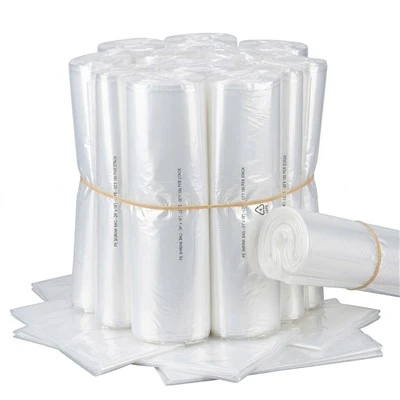
Let’s break this down simply, no overly jargon-heavy stuff, just what I’ve learned over 12 years working with this material. First, let’s start with the basics: PE shrink film is made from polyethylene, the same polymer family used in plastic bags and milk jugs. But not all PE is created equal. The type we use for shrink film is usually low-density polyethylene (LDPE), linear low-density polyethylene (LLDPE), or a blend of the two, and the mix directly shapes transparency. LLDPE has a more uniform molecular structure, which means light passes through it more evenly—less scattering, clearer film. LDPE, while more flexible, can have tiny, irregular gaps between molecules that make it look a little hazy if it’s not processed right. That’s why as a supplier, we spend so much time adjusting our resin blends; it’s the first step to getting a film that’s bright, not cloudy.
Next, manufacturing processes play a huge role. When we make shrink film, most of it is blown or cast. Blown film is extruded through a circular die, then inflated like a balloon before being cooled and stretched. Cast film is extruded through a flat die, then cooled rapidly on a chilled roller. Cool fast, and the polymer molecules stay aligned tightly, leading to clearer film. Cool slow, and crystals form inside the resin—those tiny spots make light bend in different directions, causing that milky, foggy look we all recognize. I’ve seen new suppliers cut corners here, using slow cooling to save energy, but their film ends up looking cheap and doesn’t perform as well. Our team tests every batch’s cooling rate to strike the right balance: fast enough for clarity, slow enough to keep the film flexible and shrink evenly.
Then there’s film thickness. Thinner film, say 40 to 60 gauge, will almost always be clearer than a thicker 100 gauge film, right? Wait, not exactly. I’ve seen a 100 gauge film that’s just as clear as a 50 gauge one, but only if the resin and manufacturing are dialed in. Thickness does matter for light scattering, though. Even with perfect materials, a thicker film has more molecules for light to pass through, so even tiny imperfections add up. That’s why for applications where full transparency is non-negotiable—like retail overwraps for books or cosmetics—we use a mid-range thickness, usually 60 to 80 gauge, and tweak the blend to keep it bright. We’ve had customers switch from a lower-grade film that was 100 gauge and hazy to our 70 gauge film that’s way clearer, and they saved money too—less material, better look.
Now, transparency isn’t just about looks. It’s functional. For retail, customers need to see the product inside the wrap—they don’t want to guess if a shirt is a medium or large through a foggy shrink film. For pallet wrap, transparency helps warehouse workers quickly check if a load is shifting, or if a box is damaged, without cutting the film open. For industrial uses, like packaging electronics or medical supplies, transparency lets inspectors verify the product is intact without unwrapping it. I once had a client in the electronics industry who switched from PVC shrink film—while PVC is clear, it’s more expensive and doesn’t shrink as evenly—to our PE shrink film. Their products looked better on shelves, and their inspection time dropped by 20% because they could see every component through the film. That’s the value of good transparency, not just aesthetics.
But here’s the catch: transparency can drop over time, or when the film is heated during shrinking. Wait, no—when you heat shrink film, it contracts tightly around the product, right? If the film is low-quality, that heating process can cause “haze” or “fogging” as the molecules rearrange. We test our shrink films in a heat tunnel to make sure they don’t fog when heated. Another thing: environmental exposure. If film is left in direct sunlight, UV rays can break down the polymer, leading to yellowing and reduced clarity. That’s why for outdoor packaging, like construction materials or seasonal products stored outside, we add UV stabilizers that keep the film clear longer. We’ve had a hardware store customer whose outdoor shrink-wrapped patio furniture stayed clear all summer, while a competitor’s film turned yellow and cloudy after a month. That’s the kind of real difference transparency makes.
A common misconception I hear from new customers is: “The clearer the film, the better it is.” That’s not always true. For example, some customers want a matte finish, or a slightly hazy film to hide minor imperfections in their products—like if they’re wrapping loose parts that don’t need to be seen clearly. Or for bulk industrial wrap, a slightly hazy, more flexible film might be more important than perfect clarity. But for 80% of the applications we work on, transparency is a top priority, and we tailor our products to that.
As a PE shrink film supplier, we also test transparency using a tool called a hazemeter, which measures how much light passes through the film and how much is scattered. Our target is a haze level under 2% for clear applications—any higher, and the film looks cloudy. We track this on every production run, and adjust for things like resin batches, humidity in the factory, and even temperature changes in our cooling lines. It’s not a set-it-and-forget-it process; every small variable affects the final transparency.
I could talk all day about this, but at the end of the day, transparency in PE shrink film is a balance of material science, manufacturing precision, and understanding what the end user needs. It’s not just a “nice to have” — it affects how products are perceived, how efficiently warehouses work, and even how long packaging lasts outdoors. If you’re in the market for PE shrink film, I can tell you we test every roll to make sure the clarity meets your needs. Whether you need ultra-clear film for retail displays, durable clear film for pallet shipping, or something in between, we can work with you to find the right product. If you’re ready to discuss your project and get a tailored solution, feel free to reach out to our team to talk through your requirements.
Vacuum Compression Bag References:
- Hansen, J. (2019). Polyethylene Shrink Films: Properties and Applications. Journal of Flexible Packaging Materials, 45(2), 112-127.
- American Society for Testing and Materials (ASTM). (2021). Standard Test Method for Haze and Luminous Transmittance of Transparent Plastics (ASTM D1003-21).
- Patel, R. (2020). The Role of Resin Blending in Shrink Film Clarity. Industrial Polymer Processing, 18(4), 78-85.
- Shrink Film Association. (2022). Performance Guidelines for Transparent PE Shrink Films. Industry Standards Report, 12th Edition.
Shanghai Ruiyue Plastic Products Co., Ltd.
With abundant experience, we are one of the most professional pe shrink film manufacturers and suppliers in China. We warmly welcome you to buy high quality pe shrink film in stock here from our factory. If you have any enquiry about customized service, please feel free to email us.
Address: No. 1000, Lixue Road, Malu Town, Jiading District, Shanghai
E-mail: shenyang.boss@ruiyueplastics.com
WebSite: https://www.ruiyueplastics.com/
