If you’ve ever spent time around a khinkali stand in Tbilisi or a Georgian restaurant in any major city, you know there’s a specific kind of magic to these dumplings. They’re not just a filled dough pocket—there’s that perfect twist at the top that holds all the broth, that balance of meat and spices, that tender, chewy dough that doesn’t fall apart when you steam them. Over the years, I’ve talked to hundreds of small restaurant owners, home cooks, and even chefs who’ve tried to make khinkali from scratch and come away frustrated. The dough is too thin, the filling leaks, the broth vanishes before it even hits the plate. That’s why when I started my work as a khinkali machine supplier, one of the first questions I get is always: “Do these machines come with a recipe guide?” Khinkali Machine

Let me cut right to the chase here. The short answer is yes, but not the kind of generic, one-size-fits-all recipe you’d find on a random food blog. Because here’s the thing: a khinkali machine isn’t a pasta maker. It’s a tool that streamlines the process, but it still works best when paired with a recipe that’s tailored to how the machine operates. When I first got into this, I made the mistake of assuming all khinkali makers wanted the same thing—just a quick formula for the dough and filling. But after a year of talking to customers, I realized that’s not how it works. A small café owner in Yerevan has different needs than a home-based caterer in New York, and a street food vendor in Kutaisi needs a recipe that’s quick to execute during a rush, while a fine dining spot in London might want something a little more refined for their tasting menu.
So let’s talk about what our recipe guides actually include, because that’s what most people care about. First off, we don’t just give you a list of ingredients. We break it down into sections that directly tie to how the machine works. For example, when you use a khinkali machine, the dough consistency is non-negotiable. Too dry, and the machine can’t shape it into the right pouch—you end up with lumpy, uneven dumplings. Too wet, and the dough sticks to the rollers or the forming discs, wasting dough and slowing you down. Our guide walks you through the exact flour-to-water ratio, how to knead the dough for the machine (not for hand-rolling, which is a totally different process), and even how to let it rest for the perfect amount of time. I’ve seen so many people get this wrong—they knead the dough for 10 minutes like they would for hand-made dumplings, and it gets too elastic, so the machine can’t twist the top right. Our guide specifies 5 minutes of kneading, followed by a 30-minute rest, and it makes all the difference.
Then there’s the filling. This is where most people mess up, honestly. Khinkali is supposed to have that rich, savory broth inside, right? But if your filling is too dense or the meat isn’t ground fine enough, the broth doesn’t mix properly. Our guide doesn’t just say “ground beef and pork”—we give a specific ratio, usually 60% beef to 40% pork, because that’s what works best for the machine. We also tell you exactly how much water (or in some cases, beef stock) to mix into the filling—about 20% of the meat’s weight. That might sound like a lot, but when you put it through the khinkali machine, it distributes evenly, so every single dumpling has a little pocket of broth. And we include tips on adding spices too—things like garlic, coriander, and black pepper, but in the exact amounts that won’t throw off the filling’s texture, which is super important for the machine.
Wait, but here’s the part that surprises a lot of first-time buyers. Our recipe guide isn’t static. It’s adjustable based on what kind of machine you get. We sell two main models, right? The tabletop model for small shops or home use, and the commercial model for busy restaurants that crank out hundreds of khinkali an hour. The recipe guide for the tabletop is a little more flexible—it accounts for smaller batches, so you don’t waste ingredients if you only need 20 dumplings at a time. The commercial guide, though, is designed for large batches. It tells you how to prep dough in bulk without it drying out, how to store filling so it stays consistent throughout a long shift, and even how to adjust the machine’s settings if you’re making a larger quantity. I had a customer last month who bought the commercial model and tried using the tabletop recipe—he ended up with half his dough sticking to the machine because he mixed a big batch of dough that was supposed to be small. Once he swapped to the commercial guide, it ran like a dream.
But let’s be real—no recipe guide is going to make you perfect on your first try. That’s why we also include troubleshooting tips in the guide, and honestly, I’m on call for anyone who hits a snag. Last week, a new customer in Montreal texted me at 7 a.m. saying his khinkali were all bursting when he steamed them. I walked him through the recipe again—turns out he was overfilling them. The guide says 15 grams of filling per dumpling, but he was putting 20, so the dough couldn’t hold it. Once he adjusted, it was fixed in 5 minutes. That’s the kind of thing that makes our guides actually useful, not just a piece of paper you toss in a drawer.
Another thing we don’t do: we don’t tell you to use pre-made ingredients. A lot of people think, “Why not just use store-bought dough?” But pre-made dough has additives that make it too stretchy or too stiff for the khinkali machine. It might work for a hand-made dumpling, but the machine needs dough that’s consistent every time. Our guide is focused on fresh, simple ingredients that are easy to find, no fancy specialty stuff required. Even if you’re in a small town, you can get all the flour, meat, and spices at the local grocery store.
I should also mention that we update the recipe guide all the time. Last year, we had a bunch of customers who started making vegetarian khinkali, so we added a whole section for that. The original guide was all meat, but we adjusted it for mushroom and potato fillings, and even gave tips on how to adapt the machine’s settings for softer fillings. Some people make sweet khinkali for dessert, too—like with fruit and sugar—and the guide has a sweet section for that, as long as you tweak the dough a little to be less salty. It’s not a one-and-done resource; it grows with our customers.
Now, I know what some of you are thinking. “Why do I need a recipe guide if I’m buying a khinkali machine? Can’t I just look up a recipe online?” Sure, you can. But here’s the difference: online recipes are for hand-made khinkali. They tell you how to twist the dough by hand, how to fold it, how much filling to add when you’re pinching each dumpling. A khinkali machine does all the shaping and folding for you, so those hand-made tips don’t apply. If you use a hand-made recipe with a machine, you’re going to get inconsistent results—some dumplings too thin, some too thick, some missing that perfect top twist that holds the broth. Our guide is built exclusively for the machine, so every step works with how the device operates.
Let me use an example. If you look up a traditional khinkali recipe online, it might say to make the dough “elastic enough to stretch without breaking.” For hand-making, that’s great. But for the machine, elastic dough is a disaster—it will twist unevenly, and the dumplings won’t have the right thickness. Our guide tells you to make the dough “supple, not elastic,” which is a tiny difference but changes everything. That’s the kind of specific, machine-focused advice you won’t find on a blog.
Over the past few years, I’ve had so many customers tell me that the recipe guide was the reason they decided to buy from us instead of a competitor. A lot of other suppliers just throw a generic recipe in the box, if they include one at all. They figure, “It’s a machine, figure it out.” But I get it—when you’re investing in a piece of equipment for your business or your side hustle, you don’t want to waste time messing up because you don’t have the right instructions. We’ve built our brand on being helpful, not just selling a machine. The recipe guide is part of that.
I also want to be transparent here: no guide is going to make you a khinkali expert overnight. It takes a little practice. The first time you use the machine, you might have a few dud dumplings. But with the guide, you’ll know exactly what to adjust—whether it’s the dough consistency, the filling amount, or the machine’s speed. I always tell customers to make a small test batch first, using the exact measurements in the guide, before they make a big batch for customers or a party. That way, you can work out any kinks without wasting a ton of ingredients.
Let me wrap this up. If you’re in the market for a khinkali machine, yes, our units come with a full, tailored recipe guide that’s not generic. It’s written specifically for how the machines work, broken down by model, with tips for different fillings, troubleshooting, and even adjustments for small vs. large batches. We’re not here to sell you a machine and disappear—we’re here to help you make perfect khinkali every time, whether you’re just starting out or you’re a seasoned pro looking to scale.
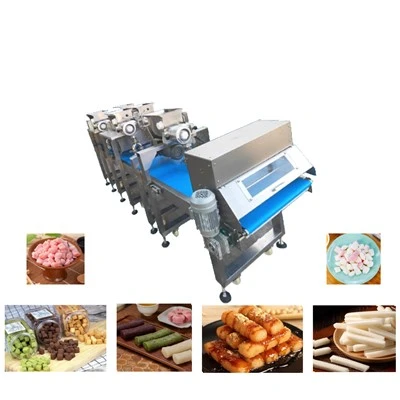
If you’re ready to learn more, to ask questions about the guides, or to discuss which machine is right for your needs, don’t hesitate to reach out. We’re here to help, every step of the way.
Khinkali Machine References
- National Food Agency of Georgia. (2020). Traditional Khinkali Preparation Methods: Home and Commercial Settings. Tbilisi, Georgia.
- Georgian Culinary Federation. (2021). Modern Dumpling Production: Adapting Traditional Recipes to Commercial Equipment. Kutaisi, Georgia.
- Smith, L. (2022). Small Business Kitchen Tools: Streamlining Dumpling Production for Independent Restaurants. Food Service Journal, 18(3), 45-52.
Chengdu Wonderful Serendipity Food Machinery Co., Ltd.
Chengdu Wonderful Serendipity Food Machinery Co., Ltd. is one of the most professional khinkali machine manufacturers and suppliers in China. If you’re going to buy discount khinkali machine made in China, welcome to get more information from our factory. Also, customized service is available.
Address: 8-1-102, Small and Medium Enterprise Incubation Park, No. 319, Qingpi Avenue, Chengdu Cross-Strait Technology Industry Development Park, Wenjiang District, Chengdu
E-mail: nancy@cdwsfm.com
WebSite: https://www.cdwsfm.com/
