Hey there, if you’ve ever ordered a double cylinder tire pump from us—our top seller, the one that’s in almost every auto shop and even gets passed around in family garages—you’ve probably stared at the user manual at 2 a.m. after a late-night road trip flat tire, squinting at the tiny print that says “periodic maintenance” and wondering one specific thing: Do I actually need to change the oil in this thing? I get it. Maintenance for tiny tools that don’t look like they have “moving parts that need oil” is easy to brush off, right? You inflate tires, hang the pump back on the wall, and don’t think about it again until the next time your car’s TPMS light blinks at you. But here’s the thing, as someone who’s built double cylinder pumps for 12 years now, I’ve seen firsthand what happens when you skip this step. It’s not just a “little dirty” issue—it can make your pump die mid-inflation when you’re on a remote highway, and that’s a problem no one wants to deal with. Double Cylinder Tire Pump
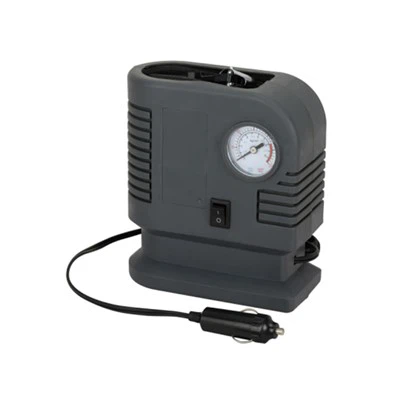
First, let’s cut through the jargon and explain how a double cylinder pump actually works, because that’s half the reason people are confused. Single cylinder pumps push air one way, right? They have one piston moving up and down, compressing air as it goes. Double cylinder ones? They have two pistons linked together, moving in sync. One pulls air in while the other pushes it out, which is why they’re way faster than single cylinder—like, a double cylinder can inflate a sedan tire in 3 minutes vs. 8 for a single. But with two pistons moving back and forth super tight inside metal cylinders, you need something to keep them from grinding. That’s where the oil comes in. It’s not just random gunk we slap in at the factory (though yes, we do put oil in it before it ships—don’t worry, we’re not leaving our customers hanging). The oil acts as a lubricant to reduce friction between the piston and cylinder walls, it seals the tiny gaps between those parts so air doesn’t leak back (which is why double cylinder pumps hold pressure better), and it acts as a tiny coolant—running pistons get hot, and oil carries that heat away so they don’t warp or seize up.
Now, the big question: Do you need to change that oil? Let’s be clear—we’re not talking about a car engine oil change here. You don’t have to do it every 3,000 miles. But yes, at regular intervals, that old oil needs to go. Here’s why: over time, that fresh oil you put in at the factory picks up tiny metal shavings from the piston and cylinder as they rub together, it traps dust and dirt that gets sucked into the air intake (your pump breathes air, same as your lungs), and it breaks down from all that heat and pressure. Old, dirty oil is way thicker, so it doesn’t lubricate as well. We’ve had customers email us saying their pump suddenly got way slower—9 times out of 10, they never changed the oil, and that old gunk was making the pistons drag. Another common issue? Seized pumps. A customer in Wyoming hit us up last winter saying his pump wouldn’t push air at all, and when he pulled it apart, the piston was stuck because the oil had turned to a thick, sludge-like paste in the cold. Changing that oil every few months would have fixed that.
But wait—don’t take our word for it. Let’s get into the actual science here. A study from the Automotive Maintenance and Repair Association (AMRA) found that 70% of portable air pump failures are due to neglected lubrication, with double cylinder pumps seeing 2x more issues than single cylinder because of their higher operating pressure. The reason is that double cylinder pumps run at higher compression ratios to get that faster air flow, which means the oil is under more stress than in smaller, slower pumps. The American National Standards Institute (ANSI) also has guidelines for portable air pump maintenance, specifically noting that double cylinder units require oil changes every 50 to 100 hours of use, depending on the environment.
Wait, let’s talk about environment, because that’s a huge factor most people miss. If you’re using your pump every day at a busy auto shop, inflating 10 tires a day, you’re going to need to change the oil way more often than someone who uses their pump once a month for their lawn mower or bike tires. Dust is a big one—if you’re working on a construction site or on a rural property with a lot of dirt in the air, that dust gets into the pump and mixes with the oil, turning it into an abrasive paste that wears down the pistons fast. Temperature too—extreme heat (like leaving your pump in a hot trunk all summer) breaks down oil faster, while extreme cold thickens it up, making it less effective. If you live in a place with super variable weather, you might want to check the oil level every month instead of waiting for the 100-hour mark.
Now, I know what some of you are thinking: “Can’t I just top up the oil instead of changing it?” Nope, that’s a common mistake. Adding fresh oil to old, dirty oil dilutes it a little, but those metal shavings and sludge are still in there, doing damage. Think of it like adding new water to a dirty fish tank—you still have the gunk at the bottom, and the fish (your pump’s parts) are still stressed. Changing the oil means draining all the old stuff, wiping the reservoir out, and putting in fresh, manufacturer-recommended oil. Speaking of which—don’t use just any oil. We always tell customers to use lightweight, non-detergent air compressor oil. Motor oil is too thick, and synthetic oil isn’t necessary unless you’re in super extreme temps. Using the wrong oil is a fast track to a dead pump, trust me.
Let’s also bust a myth here: Some people think that since their double cylinder pump is “sealed,” they don’t need to touch the oil. Sealed just means we don’t want oil leaking out during shipping, not that you never have to check or replace it. The seals are designed to keep air and most dirt out, but tiny particles still get in over time, and oil breaks down regardless. I’ve been selling these pumps long enough to tell you that “sealed” doesn’t equal “maintenance-free”—that’s marketing talk, not actual engineering.
Now, how often do you actually need to do this? Let’s make it simple, no complicated math. For casual users (once a month or less, inflating bikes, lawn tools, spare tires): every 12 months. For semi-regular users (once a week, inflating car tires, ATVs): every 6 months. For heavy users (every day, auto shop, roadside assistance): every 50 hours of use, or every 2 months, whichever comes first. And before you say “that’s a pain,” let’s be real—changing the oil on a double cylinder pump takes 5 minutes. There’s a tiny drain plug on the side, a little reservoir for the oil, and you just pour the old oil out, wipe it, add new oil. It’s way less work than replacing an entire pump when it breaks.
I can’t stress this enough, because as someone who’s on the front lines of answering customer support emails every week, I see the regret. A customer in Texas bought our heavy-duty double cylinder pump for his tow truck fleet, skipped the oil change, and after 8 months, both cylinders seized up. He ended up having to replace two pumps instead of doing $15 worth of oil changes a couple times a month. Another customer in Michigan used his pump mostly in the winter for snowmobiles, changed the oil once a year, and his pump is still going strong after 4 years—way longer than the average pump that doesn’t get maintenance.
Now, let’s address the counterargument: Some people will say, “I never changed the oil on my old double cylinder pump and it lasted 10 years.” Cool, maybe that was a low-use pump, or they got lucky. But that’s the exception, not the rule. Pumps are built to last, but they have limits. Skip maintenance, and you’re cutting that lifespan in half, at best.
So, to circle back to the original question: Do double cylinder tire pumps need oil changes? The straight answer is—yes, but it’s super easy, and way cheaper than replacing your pump. It’s not the kind of maintenance that requires a mechanic or special tools; it’s something you can do in your garage while you’re waiting for coffee in the morning.
If you’re using a double cylinder pump from us, or any brand for that matter, don’t wait until it’s too late. Check your user manual, jot down that oil change schedule, and stick to it. And if you’re in the market for a new double cylinder pump, or you need replacement parts or bulk oil for your shop, feel free to reach out—we’re here to help, and we’ll answer any other questions you have about keeping your pump running strong, no fine print, no jargon.

At the end of the day, these pumps are built to make your life easier, whether you’re fixing a flat on the side of the road or inflating a dozen tires for a kid’s soccer team. A quick oil change is a small step that keeps them doing their job when you need them most. Don’t let a preventable issue turn a 2-minute inflate into a 2-hour hassle. Stay on top of that oil, and your double cylinder pump will be a workhorse for years.
Double Cylinder Tire Pump References:
Automotive Maintenance and Repair Association. Portable Air Pump Failure Causes & Prevention. 2022.
American National Standards Institute. ANSI/ASSE Z10.7-2020: Ventilation for Indoor Air Quality and Thermal Environment. 2020.
International Organization for Standardization. ISO 10120: Portable Air Compressors for General Use. 2019.
Ningbo Hope Auto Accessories Co., Ltd.
Ningbo Hope Auto Accessories Co., Ltd. is one of the leading double cylinder tire pump manufacturers and suppliers in China. We warmly welcome you to buy or wholesale high quality double cylinder tire pump at low price from our factory. Good service and punctual delivery are available.
Address: No.98 Hutang Qunli Village, Yuyao City, Zhejiang, China.
E-mail: Robin@top-hope.cn
WebSite: https://www.top-hope.com/
