If you’ve ever stepped onto a pontoon boat sales lot, or started scrolling through pre-owned listings, you’ve probably wondered: do pontoon boats depreciate like cars, or do they hold their value better than other types of watercraft? As someone who’s been in the pontoon boat supply business for over a decade—working directly with customers building new vessels, servicing pre-owned ones, and walking buyers through the fine print of ownership—this question is one I get asked at least a dozen times a week. The short answer isn’t a simple “yes” or “no”; it’s nuanced, tied to how pontoons are used, maintained, and even how their design has evolved over time. Let me break this down like I would for a customer standing in my lot, holding a brochure and weighing the cost of a new boat against a used one. Pontoon Boats
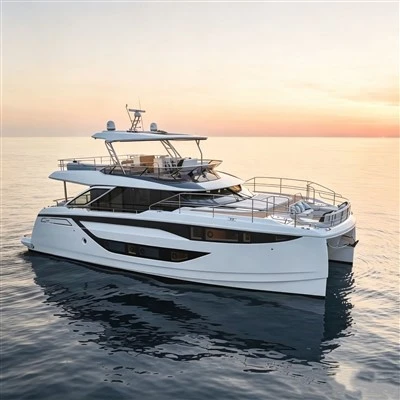
First, let’s set a baseline: all recreational vehicles depreciate, and pontoons are no exception—at least initially. If you buy a new pontoon and drive it off the lot (or in this case, pull it from the dock for the first time), you’ll see an immediate drop in value. Industry data from the National Marine Manufacturers Association (NMMA) backs this up: the average new boat loses 10-20% of its value in the first year alone, and that rate slows in the years after. For a pontoon, that initial hit is often right around 15%—but that’s where it gets interesting. Unlike high-performance speed boats, which can lose 30% or more in the first three years, pontoons tend to level out after that first big drop. Why? Partly because of their core use case: pontoons are built for leisure, for family days on the lake, casual fishing, or socializing, not for high-speed racing or harsh, saltwater abuse (well, most of them, anyway).
I’ve seen this play out with my own customers. Last year, a guy came in looking for a used pontoon for his family of five, and he found a 2018 model that had been kept in a covered slip its entire life, with less than 100 hours on the engine. The original MSRP was $28,000; the asking price was $18,500. That’s a 34% drop in five years, which sounds steep—until you compare it to a similar-sized speed boat from the same year, which would have dropped 45-50% in the same time. Another example: a pontoon from the late 2000s, well-cared for, can still fetch 50-60% of its original price if it’s got a solid, reliable engine and no structural damage. That’s way better than many other recreational boats in the same age range.
But wait—this doesn’t mean every pontoon holds value. There are factors that make depreciation steeper, and they’re often tied to how the boat was owned, not just the brand or model. Let’s talk about the biggest ones first: use and environment. Saltwater pontoons, for example, depreciate much faster than freshwater ones. Salt is corrosive—it eats away at the metal pontoon tubes, the engine, and the wiring, even if you rinse it off after every use. I’ve had a customer trade in a saltwater pontoon that was only three years old, and it was worth 25% less than a same-age freshwater model with the same features. The difference is visible: a saltwater pontoon’s tubes will have pitting and discoloration, even with regular maintenance, which turns off buyers who want a boat that won’t need costly repairs.
Then there’s hour usage. Engines don’t care if you cruise at 2,000 RPM all day or rev it to 5,000; each hour is wear and tear. A pontoon with 400 hours on the engine will depreciate more than one with 150 hours, all else equal. I always advise customers to buy a boat with a documented engine hour log—anything over 500 hours starts to raise red flags, because even with regular maintenance, engines near that mark will need a rebuild or replacement, which can cost $10,000 or more. That extra cost gets factored into the depreciation when you sell.
Condition and maintenance are huge, too. Pontoons are simple boats, but they require regular upkeep to hold value. A boat kept in a covered slip, washed every two weeks, and winterized properly will depreciate far less than one left on a trailer or in the sun all year, with peeling paint, frayed upholstery, and a corroded battery. I’ve seen a well-cared-for 2015 pontoon sell for almost the same as a poorly cared-for 2019 model—because the newer one needed $5,000 in repairs before it could hit the water. Upholstery is a big one: vinyl seats that crack and fade instantly knock thousands off a boat’s value, because reupholstering a pontoon is expensive—way more than reupholstering a car.
Now, what about newer pontoon designs and features? Do they affect depreciation? Absolutely. Over the last 10 years, pontoons have changed a lot. What used to be a simple, flat platform with a bench seat is now a luxury vessel with slide-out grills, built-in coolers, Bluetooth speakers, even small changing rooms. The models that adopted these features early—what I call “premium pontoons”—held their value much better than the basic, no-frills models from the same era. For example, a 2017 premium pontoon with a 90 HP engine, a Bimini top, and a rear swim platform might be worth 55% of its original price today, while a basic 2017 pontoon with 50 HP and no extra features might only be worth 40%. Buyers today expect those amenities, so boats without them depreciate faster.
Another factor that’s often overlooked: brand and reputation. Not all pontoon brands are equal when it comes to holding value. The brands that have a track record of reliable engines, durable construction, and good customer service—brands I carry regularly in my lot—have lower depreciation rates than lesser-known, discount brands. I’ve seen a 2016 model from a premium brand sell for $2,000 more than a same-year model from a budget brand, even if both had the same features and similar condition. Buyers are willing to pay more for a brand they trust, which means that when you go to sell, you won’t take as big a hit.
Now, let’s address a common misconception: do pontoons depreciate slower than cars? Let’s do the math. A new car loses about 20% the second you drive it off the lot, 10% the next year, and keeps dropping 5-8% annually after that. A pontoon loses 15% the first year, 10% the second, then levels out to 3-5% a year after that. Over five years, a $30,000 car would be worth around $15,000, while a $30,000 pontoon would be worth around $18,000. That’s a big difference. Of course, cars are used every day, while pontoons are seasonal for most people, so that comparison isn’t perfect, but it’s a good way to see the value hold.
But here’s the thing: depreciation isn’t a bad thing. For many buyers, that initial drop is a good thing. If you’re looking to buy a used pontoon, that 2018 model I mentioned earlier? That 15% initial drop is a win for you. You get a boat that’s basically new, with low hours, for thousands less than the original buyer paid. The risk of steep depreciation is mostly for people buying new and planning to sell within the first three years. But if you’re planning to keep your pontoon for 10 years or more, depreciation becomes almost irrelevant. You’re not selling it, so the value drop doesn’t matter—you’re just enjoying the boat on the water.
I’ve had customers who bought a new pontoon 12 years ago, used it every summer, and never thought about selling it. Last year, they decided to upgrade to a larger model, and their old pontoon was worth enough to cover 30% of the cost of the new one. That’s not a bad return, considering they used it for a decade. Another customer bought a used 2012 pontoon for $12,000, used it for seven years, and sold it for $9,500. They only lost $2,500 over seven years—less than $360 a year, which is nothing compared to the cost of renting a boat, or paying for a vacation every year.
So, to circle back to the original question: do pontoon boats depreciate? Yes, but not as steeply or as quickly as many other recreational vehicles. Their depreciation curve is gentler, especially if you choose a freshwater, well-maintained, premium model with reliable features. But that doesn’t mean you can buy any pontoon and expect it to hold its value—use it in saltwater, let it fall into disrepair, buy a no-name budget model, and you’ll take a bigger hit when you go to sell.

If you’re in the market for a pontoon, whether new or used, I always recommend working with a supplier who knows the ins and outs of depreciation. I’ve been in this business long enough to spot a pontoon that’s going to hold its value, and one that’s going to be a money pit. I can walk you through the best models for your budget, the right maintenance routines to keep your value up, and even help you evaluate pre-owned options to make sure you’re getting a boat that won’t depreciate more than it should. Whether you’re a first-time buyer or looking to upgrade your current vessel, there’s no need to navigate the depreciation question alone. Reach out to our team to discuss your needs, and we’ll help you find a pontoon that fits both your budget and your long-term plans on the water.
Fishing Boats References
National Marine Manufacturers Association. 2023 Recreational Boat Value and Ownership Report. NMMA Publications.
American Boat and Yacht Council. 2022 Pontoon Boat Maintenance and Value Retention Guide. ABYC Technical Series.
Boat Industry Association. 2021 Market Analysis of Pontoon Boat Depreciation by Use Case. BIA Research Reports.
Longkou Jinda Shipping Co., Ltd.
As one of the most professional pontoon boats manufacturers and suppliers in China, our products have good reputation in the market. Please feel free to buy premium pontoon boats for sale here from our factory. Welcome to contact us for customized service.
Address: North of Shuangyu Village, Xingjia Sub-district, Longkou City, Yantai City, Shandong Province
E-mail: leven@jindaship.com
WebSite: https://www.jinda-ship.com/
