Hey everyone, if you’ve ever stood in front of a heavy commercial door in a rush—say, escaping a crowded store before the rain hits, or grabbing something from a office building when you’re running late—you’ve probably grabbed that big metal bar mounted on the door and pushed your way out. I bet you’ve called that thing a “panic bar” at some point, right? For years, I thought that’s exactly what it was, no fancy name, no real difference. But here’s the thing: when I started working at our door lock supply company (the one that’s been hooking businesses up with reliable hardware for small shops and big office towers alike for years), I got schooled quick. Turns out, panic bars and exit devices aren’t the same thing. And that mix-up has caused more than a few headaches for building managers who just want to stay code-compliant and keep people safe. Door Lock
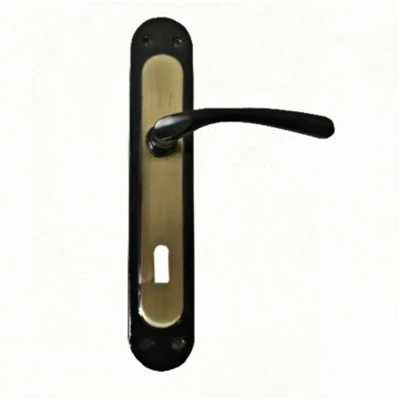
Let me back up a sec—when I first got into this industry, I assumed “panic bar” was just the generic term for any push bar on an exit door. Spoiler: that’s like calling every soda a Coke. Sure, Coke is a soda, but not all sodas are Coke. Same goes here. Panic bars are a type of exit device, but exit devices are the whole, broader category. And the difference? It boils down to where they’re installed, how they work, and what codes they have to follow.
First, let’s break down the core job both do: their whole point is to let people get out of a building fast in an emergency. That’s non-negotiable, right? No fumbling with keys, no turning a handle when your hands are full—just push something and you’re out. But panic bars are built specifically for places where crowds gather. Think of a high school gym, a movie theater, a concert venue, a grocery store on a Saturday afternoon—any space that can suddenly get packed with hundreds (or thousands) of people. You don’t want someone getting trampled because the exit door won’t budge if 50 people are all trying to leave at once. That’s where panic bars stand out. They’re designed for “panic situations”—the chaos, the pushing, the people who might not have time to think.
Wait, let’s get specific on how panic bars work. Most standard panic bars are called “touch bars” now, right? They’re that big, flat metal bar that spans most of the door’s width, usually from like chest height to shoulder height for the average adult. The whole thing depresses, not just a little knob or handle. That’s key for crowd flow—if someone’s shoulder, a backpack, even a handbag hits it, it triggers the latch. No precise movement needed. Also, panic bars have a super low “actuation force”—meaning you barely have to push. Like, you could lean on it with your whole weight and it’ll disengage instantly. That’s intentional, because in a panic, people don’t push gently. They shove, they stumble, they throw their whole body weight against whatever’s in front of them. If a bar required 10 pounds of pressure to open? A group of 10 people might not be able to get the door open fast enough.
Now, exit devices—this is the big umbrella. Exit devices include panic bars, but they also cover other push bar-style hardware for places that aren’t high-traffic crowd spots. Let’s say you have a small office building, or a doctor’s clinic with a exit door that only gets used a couple times a day. What do they use there? A standard “narrow stile exit device” or sometimes just a “push bar” that’s not classified as a panic bar. Wait, why’s that different? For one, their actuation force is a bit higher. Not so high that you can’t open it normally, but enough that a random bump from a cleaning cart won’t trigger the door to unlock accidentally. That’s a big deal for spaces where you don’t want people wandering out an exit door by mistake, especially if it leads to a loading dock or a area with heavy equipment.
Also, exit devices can have different trim options too. Panic bars almost always have a “dogging” function? Wait no, hold on—dogging is a separate feature, but panic bars are way more likely to have a way to lock them during non-emergency hours, right? Like, if a gym is closed overnight, they can lock the panic bar so only staff with a key can get in from the outside, but it still opens from the inside no matter what. Wait, but that’s not unique—let’s get back to the code thing, because that’s where the real line gets drawn.
The big one that separates panic bars from regular exit devices is code compliance. For places that are considered “occupant load” over a certain number (check the International Building Code, or IBC, which is what most US buildings follow), you have to use panic bars, not just any exit device. IBC says any space with an occupant load of 50 or more people requires a fire-rated exit device—specifically a panic bar—on the main exit doors. Wait, fire-rated is another thing! Panic bars have to meet fire resistance standards, because if there’s a fire, not only do they need to open easy, they have to hold up to heat and flame for a certain amount of time. A regular exit device for a small office might not be fire-rated at all. That’s a huge mistake building managers make—they buy a cheaper push bar for a retail space that holds 100 people, and then they fail their annual fire inspection because they didn’t use a panic bar that meets IBC requirements.
Another common mix-up: what about the difference between inside and outside operation? Panic bars, by code, can’t require any key or special tool to operate from the inside at all times. That means even if the whole door is locked from the outside during the day, if someone’s stuck inside, they can just push the bar and get out. Regular exit devices for non-crowd spaces might have a thumbturn on the inside that locks, so you have to turn it to unlock the door from the inside. That’s a code no-no for panic situations. I once had a client who owned a coffee shop—super busy, weekend crowds, perfect spot for a panic bar. He bought a cheap push bar online because it was $200 cheaper, installed it, and a week later the fire marshal shut him down for three days because the inside required a thumbturn to open. If there was a fire, a barista or a customer wouldn’t have time to fumble with a thumbturn—they’d be trapped. That’s not just a code fine, that’s a safety hazard.
Wait, let’s also talk about use cases to make this real. Let’s list out where you need which, so you don’t make the same mistakes. Panic bars are for: movie theaters, concert venues, high schools, malls, grocery stores, gyms, airports, hospitals, any space where crowds gather. Regular exit devices (sometimes called “commercial push bars” but not panic bars) are for: small office buildings, doctor’s offices, standalone retail stores with low occupant load, private clubs, any space that doesn’t get packed with random crowds. That’s the big visual difference you can spot if you don’t know the code: walk into a Walmart exit door, that’s a panic bar. Walk into your local small business’s back exit, that’s probably a regular exit device.
I should also mention that not all panic bars are the same either. There are rim panic bars, which mount on the surface of the door, and mortise panic bars, which sit inside the door frame for a sleeker look. But no matter the type, they all meet that high actuation force, fire rating, and inside-only operation code. Exit devices come in even more varieties—some are for double doors, some have touchless functions now for post-pandemic spaces, some are low-profile for narrow doors. But again, the key distinction is the intended use and code compliance.
Let me tell you a funny (well, not funny at the time) story from last year to drive this home. A restaurant owner reached out to our team, panicking because his new building failed its first inspection. He thought he had panic bars on all his exit doors, but the inspector pointed out they were just regular exit devices, not rated for crowd occupancy. The restaurant holds 120 people, which is way over the 50-person IBC threshold, so he legally had to have panic bars. He’d saved a few bucks by buying the cheaper ones, and now he had to rip them all out and replace them—costing him more in the long run than if he’d just gotten the right ones first. That’s the kind of misinformation we deal with all the time, and it’s why we try to make sure every client gets exactly what they need, no mix-ups.
Another thing people often ask: can you use a panic bar anywhere? Well, technically yes, but it’s overkill for a small space. A panic bar is built to handle high traffic, so it’s durable—like, it can be pushed on thousands of times a year and not break. But if you install a panic bar on a small office door that only gets used 10 times a day, you’re wasting money on a feature you don’t need. Conversely, installing a regular exit device on a high-occupancy space is illegal and dangerous.
Wait, let’s circle back to my original point: I used to think panic bar was just a fancy name for exit device. That’s why I wanted to write this, because I see so much confusion out there. A lot of online articles will use the terms interchangeably, but that’s wrong. If you’re a building manager, a business owner, or even just someone who wants to know the difference, getting this right isn’t just trivia—it’s about safety and staying legal. If you ever have questions about what kind of lock or exit device you need, don’t guess. That’s where our team comes in. We’ve been working with commercial and residential (well, mostly commercial, but we do small business too) clients for years, we know all the code requirements across different regions, we can look at your space and tell you exactly whether you need a panic bar, a regular exit device, or something else entirely. We don’t push the most expensive option, we push the right one for your needs and your budget. Whether you’re outfitting a new gym, replacing a broken exit door at your small shop, or just need to make sure your current setup is up to code, we can help you avoid that headache I mentioned earlier. No fine, no failed inspections, no rushing to replace hardware at the last minute.
Wait, let me make sure I didn’t mix up any terms. Let’s recap for clarity, so you have this locked in your head: Panic bars = subset of exit devices, designed for high-occupancy spaces, meet strict IBC fire and safety codes, low actuation force, no inside locking, required for spaces over 50 people. Exit devices = broad category of push bar-style exit hardware, includes panic bars plus standard push bars for low-traffic, small spaces, flexible actuation force, can have inside locks for non-emergency use. That’s the difference, plain and simple.
I’ve had so many clients come to us saying “I need a panic bar” when they really just need a regular exit device, and vice versa. It’s easy to mix up when you’re not in the industry. And honestly, even some contractors get it wrong sometimes, which is why it’s good to ask questions and work with a supplier you can trust. We don’t just sell locks and exit devices—we give real, straight answers. No sales pitches, no confusing jargon, just what you need to keep your space safe and compliant.
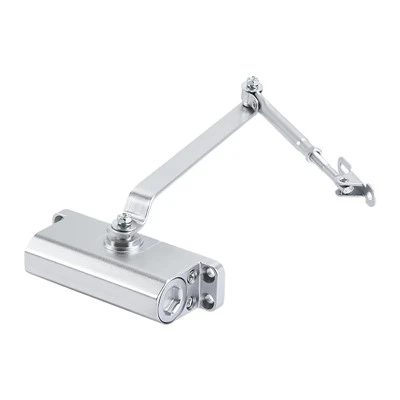
If you’re not sure what’s right for your building, or you’re tired of dealing with malfunctioning exit hardware, reach out to our team to chat. We can walk you through all the options, answer any code questions you have, and get you set up with hardware that works for years. No pressure, no weird fine print, just solid advice from people who know this stuff inside and out.
Handle References:
International Building Code (IBC) 2021 Edition, ICC (International Code Council)
NFPA 101: Life Safety Code, National Fire Protection Association
ANSI/BHMA A156.10: Exit Devices, Builders Hardware Manufacturers Association
Jiangsu Wenzhong Lock Industry Co., Ltd.
As one of the most experienced door lock manufacturers and suppliers in China, we also support customized service. We warmly welcome you to wholesale bulk cheap door lock in stock here from our factory. If you have any enquiry about pricelist, please feel free to email us.
Address: Xiaoliang Industrial Park, Danyang City, Jiangsu Province
E-mail: Rongoo7@163.com
WebSite: https://www.wenzhonglocks.com/
