Hey there, thanks for popping in. If you’ve ever looked at a countertop, garden pathway, or even a decorative rock for a building project, you’ve probably seen granite chips. But I bet you’ve asked yourself—like I’ve gotten a ton of questions from regular folks and contractors alike lately—are granite chips even available in different shapes? Spoiler alert: yeah, they are, and the variety is way bigger than most people realize. As someone who’s been in the granite chips supply game for over 10 years now, I’ve seen every shape under the sun, and let me tell you, it’s not just random—each shape serves a specific purpose, whether you’re doing a DIY backyard project or a major commercial build. Granite Chips
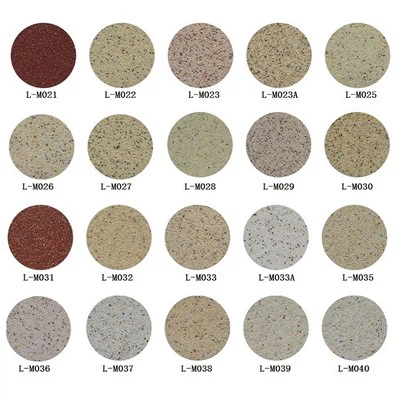
First off, let’s get one thing straight: granite chips aren’t just “little rocks cut from granite blocks.” Yeah, they start as leftover material from countertop fabrication (that’s a big chunk of what we source, actually—sustainable, right? No good letting perfectly good granite go to a landfill), but how we process them changes everything when it comes to shape. Let’s break down the main types you’ll run into, and when you’d actually use each one.
First up, the most common shape I get asked about: angular or fractured granite chips. These are the ones that look like tiny broken shards, right? Sharp edges, irregular sizes—usually between ¼ inch and 1 inch across, give or take. Where do these come from? Most of the time, they’re the byproduct when we crush solid granite blocks with heavy machinery. When you smash granite, it doesn’t break into perfect circles—it splits along its natural grain, so you get those jagged edges. People use these for driveways a lot, actually. The sharp bits lock together way better than round chips, so they don’t shift around when cars drive over them. I’ve had a few homeowners tell me they used these for their gravel paths and didn’t have to re-grade them for like 5 years, which is way longer than round stuff. But wait, they’re not just for driveways—we also send a ton of angular chips to guys doing concrete mixes. The rough texture helps the chips bind better with the cement, so the finished concrete is stronger. Makes sense, right? No smooth surfaces to slip or slide against.
Next, we have rounded granite chips. These are the softer, more polished-looking ones, usually with edges that are worn down, not sharp. Where do these come from? A lot of them are natural, actually—we source some from riverbeds and rock formations where water has been pounding the granite for thousands of years, smoothing out the edges. But we also make some rounded ones on purpose for decorative use, by tumbling the angular chips in big drums with sand and water for days. The tumbling process buffs away the sharp edges, leaving those smooth, pebble-like shapes. These are super popular for landscaping stuff—like filling around tree bases, or putting in decorative rock beds for front yards. They look way more natural than angular chips, not to mention safer if you’re walking barefoot (trust me, I’ve heard way too many horror stories about people stepping on sharp angular chips in flip flops). We also send a lot of small rounded chips for aquariums and fish tanks—they don’t scratch the glass, which is a big plus.
Then there’s the more specific shapes, like custom-cut granite chips. Yeah, you read that right—we don’t just stick to pre-made shapes. A while back, a contractor hit us up because he was doing a high-end hotel lobby with a granite chip terrazzo floor, and he wanted chips cut into tiny squares and rectangles instead of random shapes. So we hooked him up—we use small saws, not just crushers, to cut the granite into uniform shapes for that. The result is a super sleek, modern look that you can’t get with irregular chips. We’ve also done custom rounds—like perfect half-inch circles—for decorative inlays in countertops and fireplace surrounds. It takes a bit more time and costs a little extra, but the end result is worth it for projects where consistency is key. Oh, and we’ve done elongated chips too—like little sticks of granite—for vertical walls, since they fit together nicely in a stacked pattern without leaving big gaps.
Wait, I should also mention graded vs. ungraded chips, because that ties into shape too. A lot of people mix these up. Ungrated chips are the random mix—you’ll get tiny bits mixed with bigger chunks, all different shapes. That’s actually what you want if you’re doing drainage work, like French drains, because the different sizes pack together really well and let water flow through easily. Graded chips are sorted by size, so you get all chips of roughly the same size, either angular, rounded, or custom. That’s for decorative use, obviously—you want everything to look consistent in a garden bed or a floor.
Now, let’s talk about why shape even matters, because it’s not just aesthetics—there’s a science to it, which is probably what most people actually care about. Granite is an igneous rock, right? It’s made of quartz, feldspar, and mica, and its structure is crystalline. When you crush it, the way it breaks (its fracture) is along those crystalline planes, which is why angular chips have those sharp edges. The Mohs hardness of granite is like 6-7, which is pretty tough, so the edges don’t wear down easily—angular chips will stay sharp for years, which is why they’re so durable for heavy use. Rounded chips, since they’ve been smoothed, have less surface area touching each other, so they don’t compact as tightly. That’s good for things like landscaping where you want a bit of loose space for plants to grow through, but bad for driveways where you need stability. Custom-cut chips, when they’re uniform, have consistent surface area, so they bind evenly in terrazzo or other mixes, which prevents cracking over time. I learned that the hard way early on—we sent a batch of ungraded angular chips for a terrazzo job once, and the contractor had issues because the random shapes created weak spots. Now we always ask about the project first, so we can point clients to the right shape.
I get questions all the time from folks who think all granite chips are the same, just different sizes or colors. No way—shape is a huge factor when choosing what to use. For example, if you’re doing a playground surface, you don’t want sharp angular chips—too many risk of cuts. You want rounded, graded chips that are big enough to not be a choking hazard and smooth enough to play on bare feet. For a pathway that gets a lot of foot traffic, angular chips are better because they lock together, so you don’t have to keep filling in gaps as people walk on them. I had a customer last year who used rounded chips for his side walk and complained after a month that they were shifting all over, so we swapped him out for angular ones, and he hasn’t had an issue since. It’s the little details like that that make a project work, and shape is a big one.
Also, let’s not forget color sometimes ties into shape too, but that’s more preference than necessity. Like, if you want a dark gray granite chip for a modern backyard, angular chips give a more rugged, industrial look, while rounded ones are softer and more inviting. For a Japanese-style garden, rounded natural riverbed chips are almost always the go-to, because they look like they’ve been there for centuries, while angular chips would feel out of place. It’s all about the vibe you’re going for, and shape is a big part of that.
Now, as a supplier, I’m always adapting to what clients need. We’ve seen a huge uptick in custom shapes lately, especially with the rise of outdoor living spaces and high-end residential projects. A lot of homeowners want unique details, like tiny granite chips cut into stars for a pathway, or shaped into hearts for a decorative bed around a mailbox. I know, that’s a little out there, but it’s cool to see people getting creative. We can do most custom requests, too—just as long as it’s manageable with our equipment. We don’t do anything too fancy, but if you’ve got a vision, we’ll work with you to make it happen.
Wait, should I address a common misconception here? A lot of people think granite chips are only for big projects, like driveways or commercial floors. No, you can use them for small DIY stuff too. If you’re doing a fairy garden, tiny rounded chips are perfect for paths or borders. If you’re making a mosaic, small custom-cut chips (often called “granite tile chips” or “granite mosaic chips”) come in all kinds of shapes, from squares to triangles to even little diamonds. That’s a whole other market we’ve tapped into, actually—supplying small custom chips for artists and crafters.
Let me wrap this up with a quick note for anyone who’s reading this and wondering what shape they need for their next project. If you’re doing something heavy-duty, like driveways or drainage, go angular. If it’s decorative, landscaping, or something where safety is a priority, go rounded. If you want something sleek and consistent, custom-cut is the way to go. And hey, if you’re not sure, just reach out—we’ve been doing this for long enough that we can tell you exactly what you need, no pressure.

At the end of the day, granite chips aren’t just a commodity. They’re versatile, durable, and available in all kinds of shapes to fit whatever project you’re working on. Whether you’re a contractor with a big commercial build or a homeowner with a small backyard DIY, there’s a granite chip shape that’ll work for you. If you’ve got questions, or you’re ready to order some, just get in touch—we’re here to help you pick the right stuff, no silly sales pitches, just honest advice and quality granite chips.
Stone Paint Flakes References:
- American Institute of Architects. (2020). Architectural Grade Aggregates: Selection and Application. AIA Press.
- Natural Stone Council. (2022). Granite Aggregates: Processing, Properties, and Use Cases. Natural Stone Council Technical Report.
- U.S. Department of Agriculture. (2021). Landscaping Aggregates: Shape, Size, and Performance for Home and Commercial Use. USDA Forest Service, Northern Research Station.
Dengjian New Materials Technology Dongtai Co., Ltd.
As one of the most professional granite chips manufacturers and suppliers in China, we’re featured by quality products and good price. Please rest assured to buy customized granite chips made in China here from our factory. Contact us for pricelist.
Address: Qindong New Materials and Equipment Industrial Park, Dongtai City, Yancheng City
E-mail: 992683005@qq.com
WebSite: https://www.djwallmaterial.com/
