Hey there, if you’ve been eyeing PVC embossed wall panels to spruce up your space, you’ve probably wondered one big thing during your planning phase: do these panels need a special adhesive, or can you just grab whatever’s in your garage? As someone who’s been supplying PVC embossed wall panels for almost a decade now—talking to DIYers, interior designers, contractors, and everyone in between—this is the question I get more than “how do I clean these panels after they’re up?” And honestly, it’s a super valid one. The last thing anyone wants is a panel falling off a wall a few weeks after installation, right? PVC Embossed Wall Panels
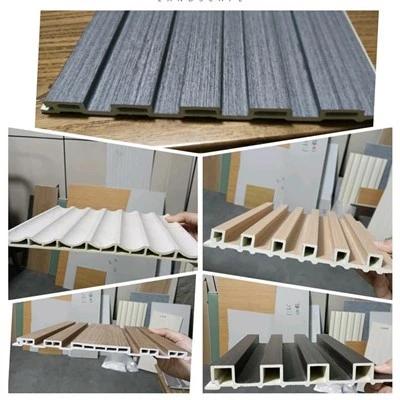
Let’s cut to the chase first: yes, most of the time, you do need a specific adhesive for PVC embossed wall panels. But before you roll your eyes and start scrolling, let me break down why, what happens if you skip the special stuff, and exactly what adhesive you should actually be reaching for. No confusing jargon, I promise—just what I’ve learned from helping hundreds of people get this right.
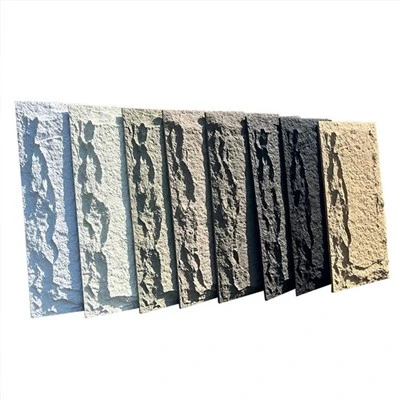
First, let’s talk about what makes PVC embossed wall panels different from, say, regular drywall or wood panels. These aren’t your basic flat PVC sheets—they’ve got that textured embossed surface, whether it’s a faux brick pattern, subtle wood grain, or even a decorative floral etch. That texture is part of their whole vibe, but it also changes how they bond to whatever surface you’re installing them on (think drywall, plaster, concrete, or even old tile). PVC itself is a tricky material for adhesives because it’s non-porous. Wait, what does that mean? Oh right—porous materials like wood or drywall soak up a little bit of adhesive, which helps it grip better. PVC? It’s smooth (well, textured on the outside, but the back side is still that hard, non-absorbent plastic) so regular adhesives just can’t get a proper hold.
I’ve seen way too many folks make this mistake: they grab a tube of general-purpose construction adhesive or even liquid nails (wait, don’t get me wrong, regular Liquid Nails works for some things, but not here) because it’s the first thing they see on the shelf. What happens next? Within a month, panels start curling at the edges. Then they bubble. Then one day you’re painting a wall in the next room and you hear a thud—there’s a 2×4 foot panel on the floor, all scuffed from the fall, and now you have to trim the rest to match or buy a new one. Not fun, and it’s totally avoidable.
Now, let’s get into the science behind why a special adhesive works here. PVC embossed wall panels—especially the ones we supply, which are made with 100% virgin PVC and a solid core—need an adhesive that’s formulated to bond to non-porous plastic surfaces. Regular adhesives are designed for porous materials, so they either dry too fast, don’t flex enough, or just don’t penetrate (even a tiny bit) the PVC surface to create a strong, long-lasting bond. The right adhesive for these panels is usually a low-VOC, solvent-based or water-based adhesive specifically labeled for PVC and wall panel installation. Let’s clarify: solvent-based adhesives are usually more heavy-duty, perfect for areas like bathrooms or basements where there’s high humidity, and they work fast. Water-based are better for smaller DIY projects, lower odor, easier to clean up with soap and water, and still hold up great in dry to moderately humid spaces.
Wait, but hold on—are there any cases where you don’t need a special PVC adhesive? Let’s be real here, no one likes a hard rule. If you’re installing these panels over a very smooth, already primed surface, and you’re using a thin set PVC panel that’s super lightweight, some people have had luck with heavy-duty double-sided mounting tape. But that’s only for small, low-traffic areas—like an accent wall in a guest room, not your entire living room, and definitely not a wall that’s going to be near a shower. And even then, I always recommend a spot of adhesive at the corners just to be safe, because tape can peel if the temperature fluctuates a lot (PVC expands and contracts with heat, remember? That’s another key point).
Let’s talk about temperature, actually, because that’s a big one I see people sleep on. PVC panels expand when it’s warm and contract when it’s cold. If you use an adhesive that’s too rigid, it won’t flex with those small movements, which can cause the panel to warp or pull away from the wall over time. The special PVC adhesives we recommend are flexible, so they move with the panel without losing grip. Regular construction adhesives are often too stiff, so they crack or break as the panel shifts—boom, there goes another loose panel.
Now, let’s get practical. What adhesive do I tell my customers to grab when they order our PVC embossed wall panels? We always include a little info sheet with each shipment, and the top pick is a PVC-specific panel adhesive that’s labeled for use with interior and exterior wall panels (but most of our customers use them indoors). Some people ask about contact cement—wait, contact cement is a type of adhesive that sticks on contact, right? It works for PVC, but only if you apply it to both the back of the panel and the wall, let it get tacky, then press firmly. That’s doable, but it’s messier, and if you don’t line the panel up perfectly the first time, you can’t reposition it. That’s a big downside for DIYers who might need to adjust a panel mid-install. The flexible PVC panel adhesive is better because it gives you a few minutes to move the panel around before it sets, which is a lifesaver when you’re working around outlets or corners.
I also get asked: can I use adhesive plus clips for extra hold? Absolutely, that’s a great combo. Even if you use the right special adhesive, adding a few plastic clips at the top and bottom of each panel adds an extra layer of security, especially in high-humidity areas. It’s not required, but it’s a smart move if you want your panels to last for years—we have customers who installed panels 8 years ago that still look perfect, and half of them used clips.
Wait, let’s address a common myth here. Some people think that because PVC is water-resistant, any water-based adhesive will work. Nope—water-based adhesives for wood won’t bond to PVC, period. You need one that’s explicitly formulated for plastic surfaces. I’ve had a customer come to me last year saying they used a wood panel adhesive and half their panels fell off in the first two months. They were ready to tear the whole thing out, but once they switched to the right PVC adhesive, they haven’t had a single issue since. Moral of the story: don’t skip the “PVC” part of the adhesive label.
Another thing to consider: the condition of the wall you’re installing on. If your wall is dirty, dusty, or has peeling paint, even the best adhesive in the world won’t work. So before you even grab your adhesive, make sure the wall is clean, dry, and smooth. Wipe it down with a mild detergent, let it dry completely, and sand any rough spots if you’re installing on plaster. That prep work is just as important as using the right adhesive—bad prep + wrong adhesive = disaster.
Let me wrap this up with a quick step-by-step tip for installation, since we’re on the topic. 1) Check your panel size and measure your wall, cut panels if needed (make sure to wear safety goggles, PVC can be sharp when cut). 2) Prep the wall: clean, dry, smooth. 3) Apply the special PVC adhesive in zig-zag lines or small dots all over the back of the panel (don’t just put it around the edges—full coverage gives the best grip). 4) Press the panel firmly to the wall, use a level to make sure it’s straight, and wipe off any excess adhesive right away with a damp cloth (it’s way harder to get off once it dries). 5) If you’re using clips, add them after the adhesive sets, usually 24 hours.
Acoustic Wall Panel At the end of the day, the short answer is: yes, PVC embossed wall panels need a special adhesive designed to bond to non-porous plastic and flex with the material’s natural movement. Skipping this step might save you a few bucks upfront, but it’s going to cost you time and money later fixing loose or damaged panels. If you’re ordering PVC embossed wall panels from us, just reach out—we can hook you up with the exact adhesive we recommend, plus installation tips tailored to your project. Whether you’re doing a small accent wall, a full bathroom refresh, or a commercial space, we’ve got you covered, and we want your panels to look amazing and stay up for years. If you have more questions about adhesives, panel types, or installation tricks, don’t hesitate to connect with our team to chat through your project.
References
- PVC Wall Panel Installation Guidelines, National Association of Home Builders, 2022
- Adhesive Compatibility for Plastic Building Materials, Construction Adhesive Manufacturers Association, 2021
- Thermal Expansion and Contraction of PVC Building Products, American Plastics Council, 2020
- Interior Wall Finish Installation Best Practices, International Association of Certified Home Inspectors, 2023
Shandong Dowell Decorative Material Co., Ltd.
Address: Room 913, 9th Floor, International Trade Service Center, No. 100 Lingong Road, Comprehensive Bonded Zone, Chaoyang Street, Yihe New District, Linyi City, Shandong PR, China
E-mail: info@dowellpanel.com
WebSite: https://www.dowellspcfloor.com/
