If you’re in the game of packaging for pharmaceuticals, cosmetics, or even certain medical devices, you’ve probably stared at a tube filling sealing machine at some point. And if you’re also dealing with syringes, you might’ve had that exact “wait—can this same machine actually do both?” question pop up. As a supplier of tube filling sealing machines, I get that a lot. It’s not a random question, either: folks are always looking to cut costs, streamline lines, and avoid juggling 5 different machines for 5 different packaging types. So let’s break this down straight, no jargon, no fluff. Tube Filling Sealing Machine
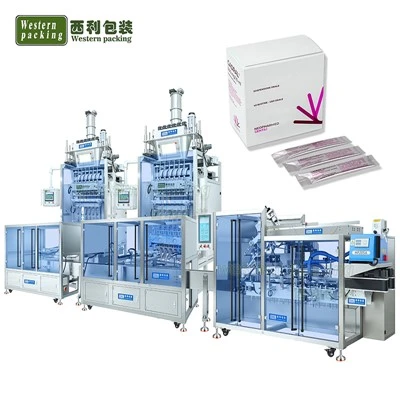
First, let’s get the basics out of the way. A standard tube filling sealing machine is built for flexible tubes—think toothpaste, ointments, creams, even small liquid medications like nasal sprays. It works by feeding empty tubes, filling them with your product (either liquid, semi-solid, or paste), trimming any excess material, then sealing the top—usually with heat, ultrasonic welding, or crimping—before coding it with batch numbers or expiration dates. Syringes, on the other hand, are rigid, have a distinct two-part structure (plunger barrel and thumb rest), and need very precise sealing to prevent leaks, especially for injectable drugs.
So the short answer is: not the off-the-shelf, one-size-fits-all tube machine you see for toothpaste. But the long answer is—wait for it—yes, if you set it up right. That’s where a lot of people get tripped up. They assume tube machines are only for soft tubes, but the key is adjustability and specialized tooling. Let’s dive into why that’s possible, and what you need to make it work.
First, let’s talk tooling. A typical tube machine has a tube chuck—this is the part that grips the empty tube during filling and sealing. For syringes, you don’t want a chuck made for a plastic tube; you need a custom syringe holder that locks into the exact shape and size of the syringe barrel. No slipping during filling, no misalignment when sealing. That’s non-negotiable. If your chuck doesn’t hold the syringe tight, you’ll end up with lopsided seals, product wasted, or even syringes damaged mid-process.
Then there’s the filling mechanism. Tubes are usually filled from the bottom up, with a nozzle that retracts as the tube is filled to avoid mess. Syringes, though, have a narrow opening at the top (the luer lock end) and a closed bottom pre-made? Wait—no, wait: depending on the syringe type. Some are pre-sterilized empty barrels, others are ready to go with a plunger. The filling part has to account for that. If you’re filling a syringe barrel, the nozzle has to fit through the luer lock opening without damaging the internal walls, and you have to get an exact fill volume—like, ±1% accuracy for injectables. That’s way tighter than, say, filling a toothpaste tube, which can have a bit more leeway. A good tube machine can handle that, but only if it has a precise volumetric filler—like a piston filler or peristaltic pump, not a basic gravity filler.
Sealing is the big one, though. For tubes, sealing is usually a flat heat seal or a crimped metal band at the top. For syringes, you need to seal the plunger into the barrel, or seal the luer lock end to prevent product from leaking out. Wait—two different sealing jobs, actually. If you’re doing pre-filled syringes (the most common type for drugs), you fill the barrel, then you need to insert the plunger and seal it to hold the product in. That’s a different process than sealing a tube’s end. A lot of tube machines can be retrofitted with an ultrasonic sealing unit, which is perfect for syringe seals because it creates a strong, airtight bond without applying too much heat (which can damage sensitive medications like biologics or vaccines). Traditional heat sealing might warp a plastic syringe barrel, but ultrasonic is gentle and precise.
Now, I know what some of you are thinking: “But tube machines are for tubes—why mess with syringes?” Fair question. Here’s the thing: if you’re a small to mid-sized manufacturer, buying two separate machines (one for tubes, one for syringes) adds up fast. The average tube filling sealing machine is $15k-$50k, and a dedicated syringe machine is easily $30k-$70k. If you can get a tube machine modified to do both, that’s a huge cost saver. I’ve seen small biotech startups use a modified tube machine to fill and seal pre-filled syringes for their first clinical trials, instead of dropping $50k on a second machine. That’s the real value here—flexibility.
But let’s be real: it’s not a drop-in replacement. There are limitations. For one, volume. If you’re running 100,000 syringes an hour, a standard tube machine might not keep up. Tube machines are usually built for 50-60 units a minute, so if you need high output, you might need a specialized syringe machine. But for lower volumes (like 10k-50k syringes an hour), a modified tube machine works great. Another limitation is regulatory stuff. If you’re selling a medical product in the US (FDA) or EU (CE), your machine has to meet GMP (Good Manufacturing Practices) standards. A standard tube machine might not have the cleanliness features you need for syringes—like stainless steel parts that are easy to sanitize, no hard-to-clean crevices. But a good supplier (ahem, that’s us) will build or modify the tube machine to meet those GMP requirements, so you don’t get flagged during an audit.
Wait, let’s throw in a real example to make this concrete. Last year, a client of ours made topical insulin creams and pre-filled insulin syringes. They used to run two lines: one for the cream tubes, one for the syringes. They were paying $8k a month in labor and machine upkeep for both lines. We modified their existing tube filling sealing machine: swapped out the tube chucks for syringe holders, added a precision piston filler for the syringes, and swapped their old heat sealer for an ultrasonic unit. Now they run both products on the same line. They cut their operational costs by 35% in the first 6 months, and their error rate (leaky seals, misfilled units) dropped from 4% to less than 1%. That’s not a fluke—those modifications work.
Another thing people miss: compatibility with accessories. A lot of tube machines can be fitted with additional parts, like a plunger inserter for syringes, or a cap applicator for luer lock ends. You don’t have to buy a whole new machine for that. We’ve also added vision inspection systems to modified tube machines, which check for seal integrity, fill level, and missing parts—super important for medical products. That’s all add-on, no need to start from scratch.
Now, let’s clear up some common myths. Myth #1: Syringes are too rigid for a tube machine. Nope—if you have a custom holding chuck, rigid materials are easy to handle. Myth #2: Sealing syringes is too technical for a tube machine. Ultrasonic sealing, which is common in both tube and syringe machines, is totally doable. Myth #3: You’ll need to replace the whole machine to switch. Maybe, but not always—we can usually modify existing machines for a fraction of the cost of a new one.
But let’s talk about when it’s not a good idea. If you’re running high-volume (over 100k syringes an hour) with extremely tight regulatory requirements, a dedicated syringe machine is better. They’re built specifically for that, so they have faster cycle times and more specialized quality controls. Also, if your syringes are a weird size—like 10mL vs. the standard 3mL most machines use—you might need a custom setup, which can add cost. But for most mid-sized operations, the modified tube machine is a no-brainer.
Here’s the thing about suppliers like us: we don’t just sell you a machine. We help you figure out if modifying your existing tube machine to do syringes makes sense, or if a separate machine is better. We’ve seen a lot of clients waste money buying two machines when one modified one would have worked. That’s why we always ask questions first: what’s your production volume? What products are you running now, and what’s next? What regulatory standards do you need to meet?
If you’re reading this and you’re the one juggling two machines, or you’re a startup looking to keep costs low, this is your sign to look into modifying your tube filling sealing machine. It’s not a gimmick—it’s a proven way to streamline your line, cut costs, and handle both tubes and syringes.
Now, a quick note on getting this right: when you’re talking to a supplier, don’t just say “I need a machine that does syringes and tubes.” Be specific. Tell them the size of your tubes and syringes, the type of product (liquid, semi-solid, sterile), your production speed, and your regulatory needs. That way, they can give you an accurate setup, not some generic solution that doesn’t work.
At the end of the day, the answer to “can a tube filling sealing machine fill and seal syringes?” is: it depends, but more often than not, yes—with the right modifications. It’s not a one-size-fits-all, but it’s a great option for a lot of manufacturers. If you’re curious, don’t overthink it. Reach out, walk through your needs, and see what’s possible. There’s no reason to split your line and your budget when you can have a flexible, cost-effective setup that handles both.
Cartoning Machine If you’re ready to stop juggling equipment and streamline your packaging line, let’s chat. We can walk through your production needs, show you how a modified tube machine works for syringes and tubes, and get you a tailored solution that fits your budget. No hard sells, no jargon—just straight talk about what will work for your business.
References
- FDA (21 CFR Part 210) – Current Good Manufacturing Practice for Finished Pharmaceuticals
- International Organization for Standardization (ISO 15378) – Primary packaging materials for medicines
- Pharmaceutical Processing World, "Flexible Packaging Solutions for Pre-Filled Syringes" (2022)
- Ultrasonic Sealing Techniques for Medical Devices, Journal of Medical Packaging (2021)
Guangzhou Western Packing Co., Limited
Guangzhou Western Packing Co., Limited is one of the most professional tube filling sealing machine manufacturers and suppliers in China, also supports custom service. With abundant experience, we warmly welcome you to wholesale durable tube filling sealing machine at competitive price from our factory.
Address: No.3, Yilong street, Wulonggang, Zhongluotan Twon, Baiyun District, Guangzhou
E-mail: david@westernpacking.com
WebSite: https://www.westernpackingusa.com/
