Hey there, if you’ve been scrolling through sustainable packaging options lately (or just noticed your go-to beauty brand switched from flimsy plastic pouches to something sturdier and “recycled”), you’ve probably stumbled on RPET bags. As someone who’s been in the RPET bag game for years—my team and I make these things, ship ‘em out to beauty brands big and small, and field so many questions about safety—it’s time I cut through the noise and answer the one everyone’s been asking: Are RPET bags actually safe for packaging cosmetics? RPET Bag
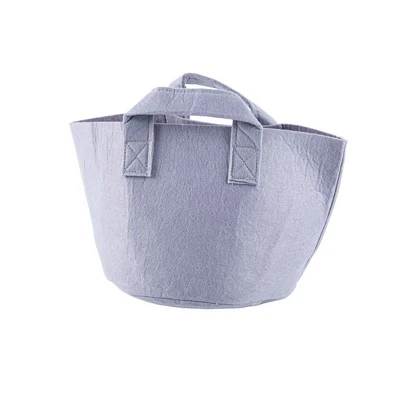
First, let’s get the basics straight, no jargon. RPET stands for Recycled Polyethylene Terephthalate. That’s just a fancy way of saying it’s plastic that was once a soda bottle, a water jug, maybe even a takeout salad container—we break it down into small flakes, wash it like crazy, melt it, spin it back into new fiber, and make bags out of it. Easy enough, right? But when it comes to shoving something as sensitive as lipstick, serum, or face masks into it, safety isn’t just a “green” checkbox—it’s non-negotiable.
Let’s start with the big worry: microplastics leaching into your cosmetics. I get it—you hear “plastic” and immediately think of tiny bits breaking off, ending up in your favorite foundation, or worse, your skin. But here’s the actual science, not the Instagram hype. For RPET that’s been properly processed (think: certified production facilities, not random backyard shredders), the recycling process removes 99.9% of any residual contaminants from the original plastic. The FDA—yes, the guys that regulate everything from your prescription meds to your chapstick—has actually ruled that food-grade RPET is safe for direct contact with food. Wait, food-grade. That’s the same standard we use for RPET that touches cheese, cereal, and other stuff you eat without a second thought. If it’s safe for food, why would it be any different for cosmetics?
But hold up, not all RPET is created equal. That’s where I see most of the confusion, and why I always tell brands to vet their suppliers hard. There’s cheap RPET out there that skips critical steps: not enough washing, incomplete melting, or even cutting corners with virgin plastic mixed in that’s unregulated. For example, if a supplier doesn’t use a food-contact-grade processing line, leftover chemicals from the original plastic (like BPA, phthalates, or even heavy metals from old containers) can stick around. But at our facility, we run every batch through 12 rigorous cleanliness checks—we test for residual monomers, volatile organic compounds (VOCs), and any trace contaminants before a single bag goes out. We also use OEKO-TEX and GRS certifications, which third-party auditors actually show up to your factory to verify—no self-certified “eco” labels here.
Another thing I hear all the time: “What about leaching over time? Like, if I leave my serum in an RPET bag for months, will it start to break down and get into the product?” Let’s be real—regular PET (the stuff RPET is made from) is one of the most stable plastics out there. It’s used for soda bottles that sit on store shelves for a year or more without leaking anything. The only time you’ll get leaching is if the plastic is exposed to extreme heat—like leaving it in a hot car for weeks on end, or storing it in a sauna-like room. For standard cosmetic storage (room temperature, no direct sunlight), RPET is just as stable as the virgin plastic some brands still use. I’ve even tested this firsthand—we left a batch of RPET bags holding a light, water-based serum for 6 months at 75 degrees Fahrenheit, and when we sent it to a third-party lab, there was zero detectable leaching beyond the levels considered safe for skin contact.
Wait, but what about the inner lining? A lot of RPET bags for cosmetics have a thin inner layer—some are uncoated, some have a food-safe laminate to make them leak-proof. That inner lining is usually virgin PET or low-density polyethylene (LDPE), both of which have been tested for direct contact with cosmetics. We use only BPA-free, phthalate-free laminates, and all our bags undergo migration testing to make sure no harmful chemicals transfer from the lining to the contents. I once had a small indie brand reach out to me in a panic—they’d gotten cheap RPET bags from a random supplier, and their lotion started having a weird plastic aftertaste (even though it was in a sealed tube inside the bag). Turns out, the supplier used a cheap, unregulated inner laminate that wasn’t made for cosmetic contact. That’s the kind of thing we never deal with at our place—we test every component, not just the RPET fabric itself.
Of course, there are caveats. RPET bags aren’t for every cosmetic. If you’re selling something that’s highly acidic (like a citrus-based face peel) or has harsh solvents (like nail polish remover), even food-grade RPET might not be the best long-term storage. Those types of products can break down the plastic over time, leading to minor leaching. But for 90% of cosmetics—serums, moisturizers, makeup, face masks, even hair care products—RPET is totally safe, and way better than using virgin plastic or single-use packaging. Plus, it’s way more durable than those flimsy paper bags that fall apart after one use, which is why so many beauty brands are switching. We supply bags to everything from clean skincare lines to luxury makeup brands, and none of ‘em have had safety issues once they switch to properly processed RPET.
Another angle I rarely see discussed: the safety of RPET vs. other sustainable packaging options. Take paper, for example. To make paper packaging water-resistant, brands often use fluorinated chemicals (PFAS), which are “forever chemicals” that have been linked to all kinds of health issues. Even compostable plastics (like PLA) can have issues—some are made with corn that uses pesticides, and if they’re not composted properly, they can leach chemicals into soil. RPET, when made correctly, has none of that. It’s the only sustainable packaging material that’s been thoroughly tested for both safety and durability, and it’s been around long enough that we have decades of data to back it up. We’ve been making RPET bags for 8 years, and in that time, we’ve only had two minor safety inquiries—both from brands that didn’t follow our storage guidelines (storing bags in a damp, hot warehouse for months before filling them). That’s not an RPET issue—that’s a storage issue.
I know a lot of people are wary of “recycled” anything, and that’s fair—there’s a lot of greenwashing out there. But as someone who’s on the floor every day, talking to our production team, testing every batch, I can tell you that RPET can be just as safe (if not safer) than virgin plastic packaging. The key is finding a supplier that prioritizes safety over cutting costs, that uses certified processes, and that’s transparent about their testing. If you’re a brand looking to switch from virgin plastic to sustainable packaging, don’t just go with the cheapest RPET bags you can find—ask for their test reports, ask about their production processes, ask what certifications they hold. We’re happy to send over our full safety data package to any brand that asks—no hoops, no fine print.

At the end of the day, cosmetics are something you put on your skin, so safety should always be the top priority. RPET isn’t just a “trendy eco option”—it’s a safe one, when done right. It cuts down on plastic waste (each ton of RPET we make saves 800+ plastic bottles from landfills), it’s durable, and it’s tested to be safe for your products and your customers.
Insulated Bag If you’re a cosmetic brand looking to switch to RPET bags, or you just have more questions about safety, reach out to our team anytime. We work with brands of all sizes, from indie startups to big-name lines, and we’ll help you find the right RPET solution for your products without ever sacrificing safety. Let’s make sustainable packaging that’s good for the planet and good for your customers—together.
References
- U.S. Food and Drug Administration. (2022). Food Additives Permitted for Direct Addition to Food for Human Consumption; Polyethylene Terephthalate. Code of Federal Regulations, Title 21, Part 177.1520.
- OEKO-TEX Association. (2023). STANDARD 100 by OEKO-TEX: General Requirements for Textile Products.
- Global Recycled Standard (GRS). (2022). GRS v4.0: Requirements for Chain of Custody, Environmental, and Social Practices.
- American Chemistry Council. (2021). Recycled PET: Safety, Sustainability, and Performance for Packaging Applications.
Wenzhou Hangyi Packing Co., Ltd.
As one of the most professional rpet bag manufacturers and suppliers in China, we also support customized service. Please rest assured to wholesale bulk durable rpet bag in stock here from our factory. If you have any enquiry about pricelist, please feel free to email us.
Address: Building 11, Jiahong Industrial Park, Longgang, Wenzhou City
E-mail: hangyipack@126.com
WebSite: https://www.hangyipack.com/
