If you’re running a small to mid-sized business that ships goods internationally, you’ve probably turned to LCL (Less than Container Load) shipping at some point. It’s convenient, cost-effective, and lets you avoid the hassle of booking an entire full-container load when your shipment doesn’t fill one. But here’s a question I get every single week from customers: “Can LCL shipments be hazardous materials?” LCL Shipping
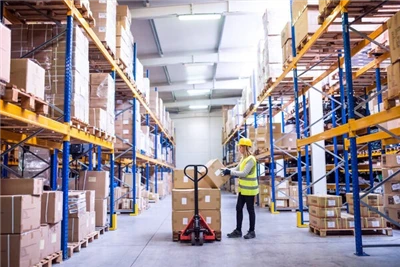
At my LCL shipping company, we deal with this question so often it’s become a running joke among my team. We’ve had customers try to ship a can of cleaning spray alongside handmade pottery, only to learn that the spray counts as a hazardous material—and suddenly their entire LCL shipment is at risk of being delayed, or even rejected entirely. It’s not just small businesses, either. Last quarter, a mid-sized electronics retailer almost lost a $50k order because they didn’t disclose that a small box of lithium-ion batteries was tucked in with their laptop inventory. They thought LCL meant “loose, non-special” shipping, but hazardous materials rules apply here just as strictly as they do to FCL (Full Container Load) shipments—if not more so.
Let’s break this down, because it’s not a yes-or-no answer. The short version is: Yes, LCL shipments absolutely can be hazardous materials. But there’s a lot of nuance to that, and if you’re planning to ship hazmat via LCL, you can’t just treat it like a regular pallet of apparel. Let’s start with why LCL hazmat is different from FCL hazmat.
When you book an FCL shipment, your goods are sealed in a container and stay isolated from other cargo for almost the entire journey. That means hazmat in an FCL container only needs to comply with rules for that single load—no cross-contamination risk from a stranger’s goods. LCL is the opposite. Your shipment shares space with 5, 10, sometimes 20 other small shipments, each from a different sender and bound for different places. That means a small hazmat box hidden in your LCL pile could leak, catch fire, or release toxic fumes that damage all the other cargo, endanger port workers, or even cause a ship to divert. Regulators and carriers take that risk extremely seriously.
Now, what counts as a hazardous material in the context of LCL? It’s not just obvious stuff like dynamite or hydrochloric acid. The International Maritime Dangerous Goods (IMDG) Code, which is the global rulebook for ocean shipping, lists thousands of items that qualify, and many of them are items you might never think to flag. Lithium-ion batteries (the ones inside laptops, phone chargers, power banks, and even e-bike parts) are a top culprit. Aerosol sprays (hairspray, paint spray, cleaning spray), flammable liquids (paints, adhesives, alcohol-based hand sanitizer), corrosives (batteries, cleaning products with bleach), and even some common consumer goods like certain perfumes or non-stick aerosols all fall into hazmat categories.
Last year, we had a customer ship a batch of custom candles via LCL. They’d labeled them “decorative goods” on their shipping docs, which was technically correct—but they forgot that the flammable wax and the pressurized cans used to package them qualified as Class 3 Flammable Liquids and Class 2 Gases. When the shipment arrived at the Los Angeles port, a routine scan flagged the cans, and the entire LCL stack was held for 10 days while a hazmat team inspected. The customer had to pay extra for the inspection, and the rest of their non-hazmat cargo—including a $15k order of handcrafted jewelry—was stuck in a port warehouse, missing their customer’s holiday deadline. That’s the kind of cost and headache that comes from not realizing your LCL shipment has hazmat elements.
But here’s the good news: It’s not impossible to ship hazmat via LCL. It just requires planning, transparency, and adherence to rules that are strict, but designed to keep everyone safe. Let’s walk through the key things you need to know if you’re considering hazmat LCL shipping.
First, disclosure is non-negotiable. No hiding hazmat in your shipment, even if it’s a tiny item. Carriers (and regulators) have ways to detect hazmat—scans, visual inspections, and even trained staff who can spot red flags like unlabeled metal boxes or pressurized cans. If you don’t disclose hazmat upfront, you’ll face penalties, delayed shipments, and in some cases, your carrier may refuse to work with you again. At my company, we have a rule: if a customer says “no, there’s no hazmat” but we spot something during our pre-load check, we pause the entire process until they can confirm. Last month, a customer tried to ship a case of wine (Class 3 Flammable Liquid) with their clothing order, and they were shocked that we wouldn’t just add it to the LCL pile. We explained that wine, even in glass bottles, is flammable in large quantities, and sharing space with cotton fabric (which is highly flammable) is a huge risk. We worked with them to reclassify the shipment as hazmat, fill out the required documentation, and segregate the wine in a dedicated, ventilated part of the container—so it still made it to its destination on time.
Second, hazmat LCL shipments have specific packaging and labeling requirements that are stricter than regular LCL. The IMDG Code mandates that all hazmat in LCL must be packaged to prevent leakage, breakage, or accidental release during transit. For example, lithium-ion batteries must be individually wrapped in plastic, placed in non-conductive boxes, and secured to prevent movement. Aerosol cans must have their safety caps on, be stored upright, and not be placed near heavy items that could crush them. Labels are non-negotiable, too: every hazmat package needs a UN hazmat number, a class label (like “Flammable Gas” or “Corrosive”), and your company’s contact info. Cut corners on packaging or labels, and your shipment will be rejected.
Third, you’ll need the right documentation. The dangerous goods declaration (DGD) is the main document you’ll need, and it has to be filled out accurately—no mistakes. The DGD lists every hazmat item in your shipment, its UN number, its class, its quantity, and how it’s packaged. At my company, we don’t just accept a DGD and move on. We review every DGD for accuracy, because a single typo (like writing “10 boxes of lithium batteries” instead of “100”) can lead to a delay. We also work with customers to help them fill out the DGD correctly, especially if they’re new to shipping hazmat. A lot of small businesses don’t know where to start, so we walk them through each step—no extra cost, just part of our job as an LCL provider.
Now, let’s talk about when shipping hazmat via LCL is a good idea, and when it’s not. If your hazmat items are small quantity, lightweight, and can be properly packaged and labeled, LCL is often cheaper than FCL. For example, if you’re a craft brewer shipping 50 cases of beer (each with 12 bottles, so 60 total flammable liquid units) to a European market, shipping via LCL means you don’t have to book an entire 20ft container just for the beer. But if your hazmat shipment is large—say, 500 cases of cleaning spray—then FCL is probably the better option, because you don’t have to worry about segregating it from other cargo, and it avoids the risk of mixing hazmat with non-hazmat.
I also want to address a common myth: some customers think that if their hazmat is “ORMD” (Other Regulated Materials) or a limited quantity, they don’t need to follow all the rules. That’s not true for LCL. Limited quantity hazmat is allowed in LCL, but it still needs to be properly packaged, labeled, and disclosed. We had a customer try to ship 20 small bottles of essential oil (which is Class 3 Flammable Liquid, limited quantity) with their herbal tea order. They thought because it was a small amount, they could skip the extra labeling. Our team caught it during the pre-load check, and we explained that even a small leak in a glass bottle could ruin the entire tea shipment, not to mention the risk to workers. We helped them add the correct limited quantity label, and the shipment went out without issues.
Another big part of this is carrier selection. Not all LCL providers handle hazmat. Some small providers only do non-hazmat LCL, because handling hazmat requires extra training, extra insurance, and extra processes. That’s why it’s so important to work with an LCL provider that has experience with hazmat—someone who knows the IMDG Code inside and out, has trained staff to handle pre-load checks, and has relationships with ports and airlines that accept hazmat LCL shipments. At my company, we’ve been handling LCL for over a decade, and we’ve invested in hazmat training for every member of our operations team. We’ve also got comprehensive insurance that covers hazmat shipments, so if something does go wrong (rare, but possible), we’re covered.
Let me share a recent success story to put this all in perspective. A small medical supply company came to us last year, needing to ship a batch of thermometers with lithium-ion batteries and a small number of antiseptic wipes (which are flammable) via LCL to Canada. They’d tried another LCL provider, who told them they couldn’t ship the wipes because “hazardous materials can’t be in LCL.” That’s not true—we’ve shipped hundreds of antiseptic wipe shipments via LCL. We worked with the medical company to: 1) confirm the wipes were Class 3 Flammable, limited quantity; 2) have their supplier repackage the wipes in sealed, leak-proof plastic bags; 3) fill out the DGD correctly; 4) label every package with the required hazmat and limited quantity labels. The shipment was loaded, arrived on time, and the customer was so happy they’ve used us for every international shipment since. That’s the kind of problem-solving we do at our company.
So, to circle back to the original question: Can LCL shipments be hazardous materials? The answer is a clear yes, but only if you approach it the right way. It’s not a barrier to LCL shipping—it’s just an extra layer of planning and transparency that will save you from costly delays and headaches.
If you’re a small business, a trader, or anyone looking to ship goods via LCL and you’re not sure if your items include hazmat, don’t guess. Reach out to a provider who knows what they’re doing. We’ve seen too many customers learn the hard way that ignoring hazmat rules in LCL costs far more than the time it takes to double-check your goods. At our LCL shipping company, we’re here to walk you through every step—from verifying if your items qualify as hazmat, to helping with packaging and documentation, to making sure your shipment is loaded safely. We don’t just process shipments; we partner with our customers to make international shipping easy, even when it involves hazmat.

If you have questions about shipping hazardous materials via LCL, or want to get a quote for your next shipment, don’t hesitate to reach out to our team to discuss your shipping needs. We’re ready to help you navigate the rules and get your goods to their destination on time and safely.
Road Freight REFERENCES
- International Maritime Organization (IMO). International Maritime Dangerous Goods (IMDG) Code.
- U.S. Pipeline and Hazardous Materials Safety Administration (PHMSA). Hazardous Materials Regulations for Ocean Shipping.
- Federal Maritime Commission (FMC). Guidelines for LCL Shipment Compliance for Hazardous Materials.
- International Air Transport Association (IATA). Dangerous Goods Regulations for Air LCL Shipments.
Shenzhen Yihua Shang Supply Chain Service Management Co., Ltd.
As an experienced international logistics company in China, we are committed to providing high quality lcl shipping service with low price. We warmly welcome you to contact us for more information about the cheap rate lcl shipping service. Also, quotation is available.
Address: 209, Building 61, Third Industrial Zone, Zhongkeng Street, Bantian Street, Longgang District, Shenzhen
E-mail: 3809486307@qq.com
WebSite: https://www.yhs555.com/
