Hey everyone, let’s cut to the chase—if you work in heavy equipment repair, you’ve probably heard the term cored wire thrown around a hundred times, but maybe you’re still wondering what the actual deal is, and why it’s way better for your gear than the old solid wire you’ve been using. I’m the guy who supplies cored wire for stuff like excavators, bulldozers, and those massive haul trucks that move dirt all day, so I see first-hand how this stuff saves shops hours and bucks. Let’s break it down without the boring textbook jargon. Cored Wire

First, let’s start with basics: what’s cored wire, exactly? It’s a type of welding wire—super thin, wire-shaped, but instead of being 100% solid metal all the way through, it’s a hollow tube filled with powdered stuff. Think of it like a jelly donut: the outer shell is the bread (that’s solid metal, usually steel or nickel alloy), and the inside is the jelly (the powder core). That core isn’t just random dust, either—it’s packed with flux (stuff that cleans the weld), alloying elements (to make the weld strong), sometimes even metal powders for extra hardness, and deoxidizers to stop the weld from getting all porous and full of holes. Solid wire, on the other hand, is just solid metal, so it can’t do half the tricks cored wire pulls off.
Now, why does that matter for heavy equipment? Let’s talk about the kind of metal we’re fixing here. Heavy gear gets beat up constantly: excavator buckets scrape rock, bulldozer blades hit concrete, haul truck frames take thousands of pounds of stress every day. Those welds have to hold up to way more than a regular car bumper. Solid wire works for small stuff, but for this? It often leaves welds that crack, wear out fast, or just don’t stick to the base metal right. Cored wire fixes that because the core adds all the extra stuff you can’t just coat a solid wire with easily.
Wait, there are different types of cored wire, right? I need to keep this real, so let’s name the two main ones we supply, because that’s what most repair shops care about. First is flux-cored wire (FCAW—yes, that’s the acronym, everyone in the shop uses it), and second is metal-cored wire (that’s another one, way different from flux-cored, I’ll explain why). Flux-cored has that big flux core—when you weld with it, the flux burns up and creates a shielding gas cloud around the weld pool, so atmospheric stuff like oxygen and nitrogen don’t get in and ruin the weld. Solid wire usually needs a separate gas tank (like CO2 or argon) to do that, which is a hassle—especially if you’re out in a field fixing a broken bulldozer at 2 a.m. Flux-cored lets you work without a big gas bottle, which is a game-changer for mobile repair guys. Metal-cored is different: the core is mostly metal powder, not flux. It’s way denser, so it welds faster, produces less spatter (that nasty little bits of molten metal that fly everywhere and have to grind off later), and the weld is way tougher. We stock both, because different jobs need different stuff.
Let’s get specific with a real example. Last month, a local construction shop had an excavator bucket that cracked along the edge—you know, the part that digs through rock and clay. They tried solid wire first, and two weeks later, the crack was back. They called us, we sent over a flux-cored hardfacing wire (that’s another term, hardfacing is when you weld a super hard layer on to wear parts) made with chromium and carbide powder. They welded it on, and three months later, that bucket’s still going strong. Why? The core had those carbide particles that make the weld way harder than regular steel—so instead of the bucket edge wearing down in a month, it’s now lasting six. That’s the kind of win that makes shops call us back again and again.
Another big thing for heavy repair: versatility. Cored wire works with almost any base metal you’re fixing—mild steel, high-strength steel, even cast iron (which is a nightmare to weld, by the way). Solid wire can struggle with cast iron because it’s brittle, but cored wire’s core has deoxidizers that stabilize the weld so it doesn’t crack. We had a farm equipment shop last fall that needed to fix a broken cast iron tractor frame—they used our cast iron-specific cored wire, and it held up through plowing season without a single issue. No more waiting for special cast iron rods that cost a fortune; cored wire does it all.
Wait, let’s address a common complaint: some guys say cored wire is more expensive upfront than solid wire. Yeah, that’s true. But let’s do the math. If a roll of solid wire is $50 and a roll of cored is $70, but you use half as much cored because it welds faster, less spatter means less grinding time, and the weld lasts three times longer—you’re saving way more money in the long run. I talk to shops all the time that switched from solid to cored and cut their welding costs by 30-40% within a couple months. The upfront cost is a blip compared to downtime—you can’t afford a $1000 repair job turning into a $5000 job because the weld failed, right?
Also, let’s talk about the different use cases so you know when to reach for which. If you’re doing structural welds on a truck frame or machine boom—something that needs maximum strength with minimum spatter—metal-cored wire is your guy. It’s faster, cleaner, and the weld tensile strength is higher. If you’re doing hardfacing on wear parts (buckets, blades, teeth) or welding in tight spots where carrying a gas tank is a pain, flux-cored is perfect. We also stock specialized cored wire for things like corrosion-resistant parts, or even wires that work on underwater repairs—yes, underwater! Some of our clients do dredge work, and they use water-resistant cored wire to fix equipment while it’s still submerged. That’s the cool stuff solid wire can’t do.
I should also clear up a myth: cored wire isn’t some new fancy tech made just for big industrial plants. It’s been around for decades, but it’s gotten way better in the last 10 years. Back in the day, cheap cored wire had lots of defects—porosity, bad spatter, inconsistent welds. Now, we formulate our wires with exactly the right core ingredients, test every batch, so you don’t get that garbage that breaks after a week. We supply to small repair shops, mobile welders, and even big construction fleets—no matter the size, you get the same consistent quality.
So why would you switch? Let’s sum it up: better weld quality, less downtime, lower long-term costs, versatility for all kinds of heavy equipment jobs. Solid wire is fine for small stuff, but when you’re dealing with 10-ton machines, welds that have to last years, and jobs where every minute of downtime costs you money, cored wire is the obvious choice.
If you’re currently using solid wire and wondering what kind of cored wire you need, or if you’re tired of welds failing on your heavy gear, hit us up to talk through your specific job. We’ll help you pick the right wire, no pressure, no confusing sales pitches. Just straight talk about what works for your equipment.
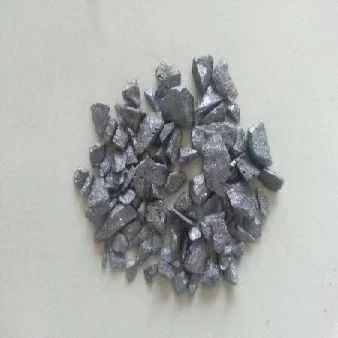
Now, just to make sure we covered the science without putting you to sleep: cored wire is a tubular welding wire with a powder core, designed to create stronger, more durable welds than solid wire for heavy equipment applications. There are two main types: flux-cored (no external shielding gas needed, great for field repair) and metal-cored (faster, less spatter, higher strength for structural welds). It’s cost-effective long-term because it reduces downtime and replacement parts costs, and works on almost all common metals used in heavy machinery.
Cored Wire References:
- Welding Handbook, 9th Edition, American Welding Society
- “Flux-Cored Arc Welding for Heavy Equipment Repair”, Fabricator Magazine, 2021
- Metal-Cored vs. Flux-Cored: Performance Differences, Lincoln Electric Technical Bulletin, 2022
Jiaocheng County Zemei Metal Co., Ltd.
As one of the most professional cored wire manufacturers and suppliers in China, we also support customized service with low price. Please feel free to wholesale bulk high quality cored wire in stock here from our factory. Welcome to contact us for quotation.
Address: Jiaocheng Zemei Metal Co., Ltd., Shihou Village, Jiaocheng County, Lüliang City, Shanxi Province, China
E-mail: dorissunzm@gmail.com
WebSite: https://www.zmfesimg.com/
